Thinking about launching an Airbnb or vacation rental in Scottsdale, but unsure where to start? You are not alone. The rules, taxes, and HOA fine print can make or break your investment. In this guide, you will learn what to verify before you buy, how to stay compliant, and what drives performance in Scottsdale so you can invest with confidence. Let’s dive in.
Define short-term rental use
A short-term rental is typically a residential property rented for fewer than 30 days. The exact definition and rules come from the city, state, and your community’s governing documents. In Scottsdale, feasibility depends on city compliance, tax obligations, and any private restrictions on your property.
City rules to verify
Before you buy or list, confirm Scottsdale’s current program. Rules change, and compliance is your best protection against complaints and fines. Prepare to verify and document the following:
- Registration or permit: Many cities require a vacation rental registration and renewal. Confirm if Scottsdale requires a registration number and whether it must be displayed on listings.
- Operating standards: Check expected limits such as occupancy by bedroom, quiet hours, trash, parking, and whether events or parties are restricted. Provide written house rules to guests.
- Local contact: Many cities require a 24/7 local contact who can respond within a set timeframe to complaints. Plan for an in-town manager or reliable point person.
- Safety compliance: Expect requirements for smoke and carbon monoxide detectors, egress, fire extinguishers, and pool safety. Determine if any inspections are required for registration or renewal.
- Advertising rules: Some jurisdictions require the permit or registration number to be included in your listing. Confirm signage or advertising rules.
- Zoning or density limits: Verify property zoning and any overlay districts or special areas that may limit or condition STR use.
- Enforcement and penalties: Understand fine schedules, hearing processes, and grounds for suspension or revocation so you can avoid costly mistakes.
Zoning, HOAs, and private restrictions
Even if the city allows STRs, private rules may not. Build this due diligence into your timeline.
- Zoning: Single-family zoning may allow STRs subject to city rules. Multi-family or special districts may have different standards. Verify the property’s zoning and any overlays before you commit.
- HOAs and CC&Rs: Covenants, conditions, and restrictions can prohibit or limit rentals, set minimum lease terms, require HOA registration, and regulate parking or guest conduct. These private rules are enforceable and can make an STR infeasible even if city rules allow it.
- Practical tip: Obtain and review CC&Rs early, and confirm any HOA rental policies in writing. Ask about fines and enforcement history related to short-term rentals.
Taxes, licensing, and filings
Short-term rental income is subject to state and local taxes. Confirm obligations and set up systems before your first booking.
- Local bed or lodging tax: Many cities levy a transient lodging tax on nightly stays. Expect to collect from guests and file periodic returns.
- Arizona transaction privilege tax (TPT): Arizona commonly treats short-term lodging as taxable under TPT. You may need a TPT license and to register any applicable city-level accounts.
- Platform collection: Some platforms may collect certain taxes on your behalf in some jurisdictions, while others do not. Do not assume full coverage. Verify what is collected and what you still must file.
- Business license and fees: Be prepared for registration or license fees, possible inspections, and penalties for late filings.
- Income tax: Rental income is taxable. Work with a tax advisor on deductions, owner-use rules, and entity structure to align with your goals.
Profit drivers in Scottsdale
Scottsdale’s demand profile is attractive, but performance varies by season, location, and product.
- Seasonality: Expect strong winter demand and softer summer months due to heat. Your pricing plan and cash flow should reflect this.
- Location premiums: Proximity to Old Town dining, golf courses, trailheads, and event venues often supports higher rates and occupancy. Verify demand drivers for your specific neighborhood.
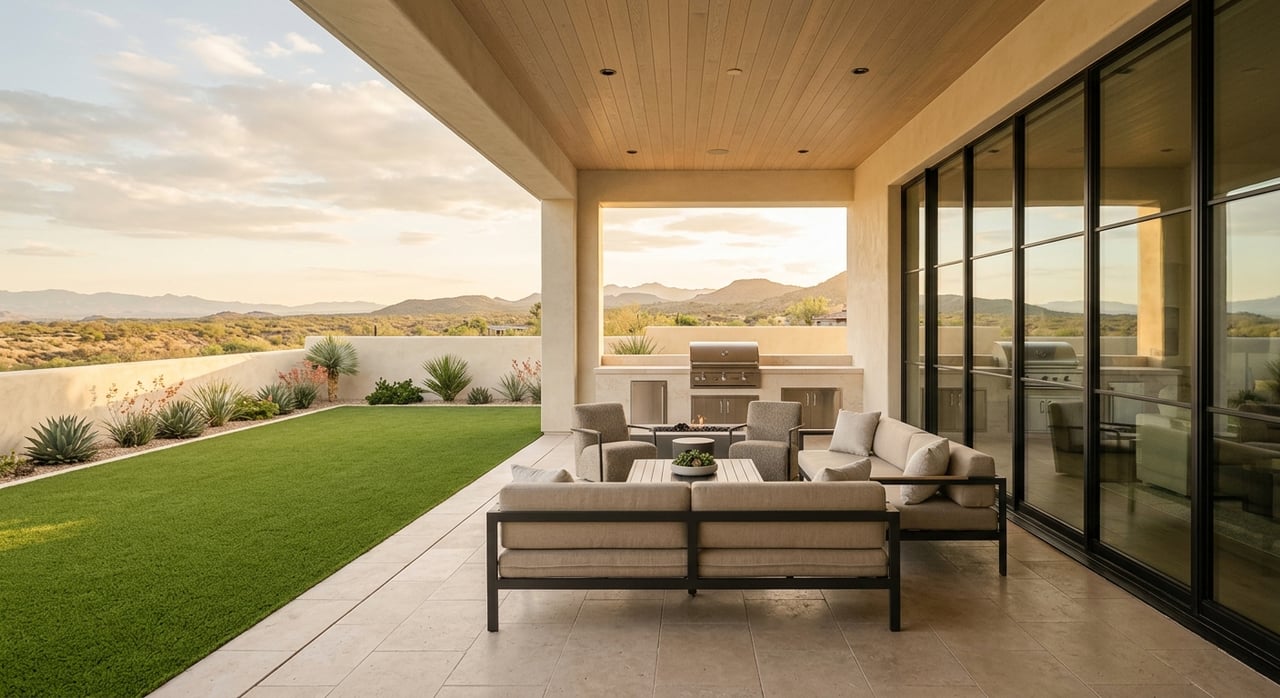
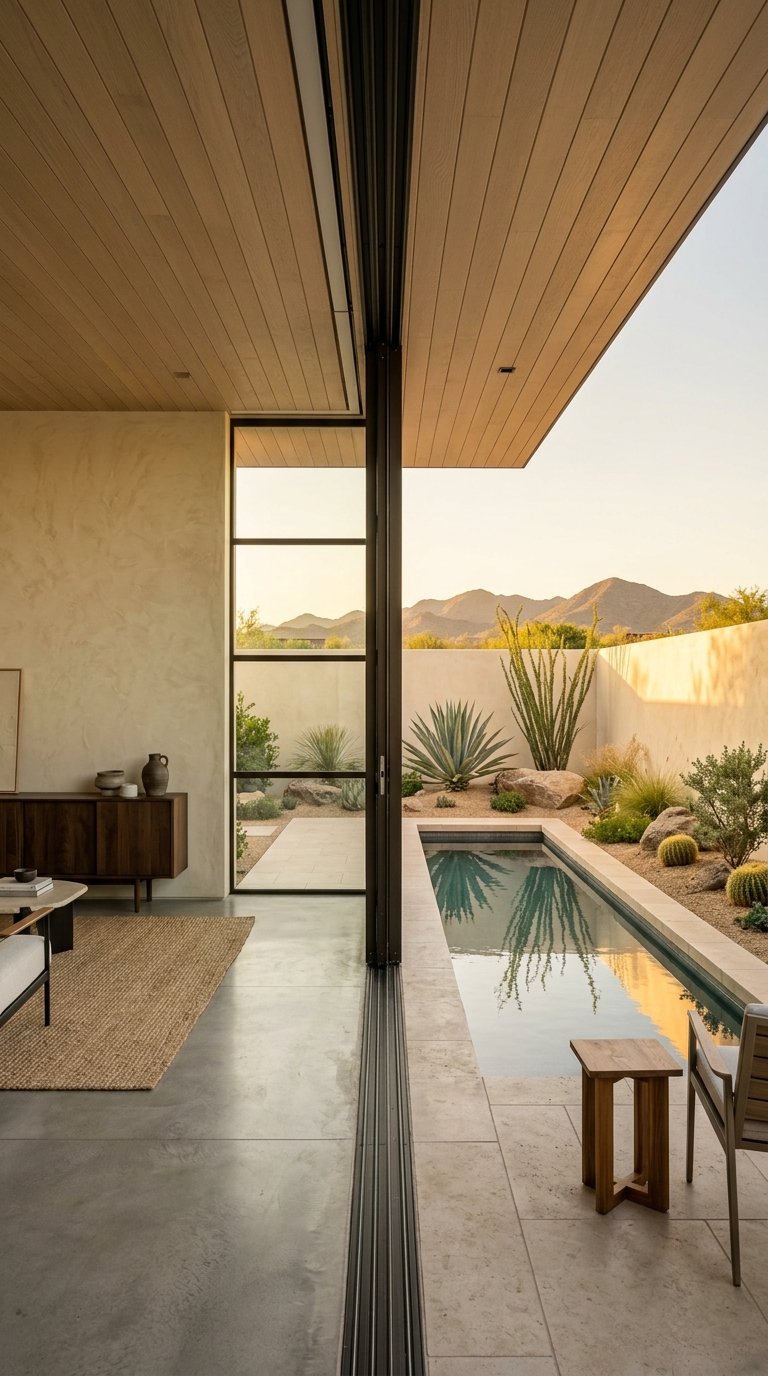
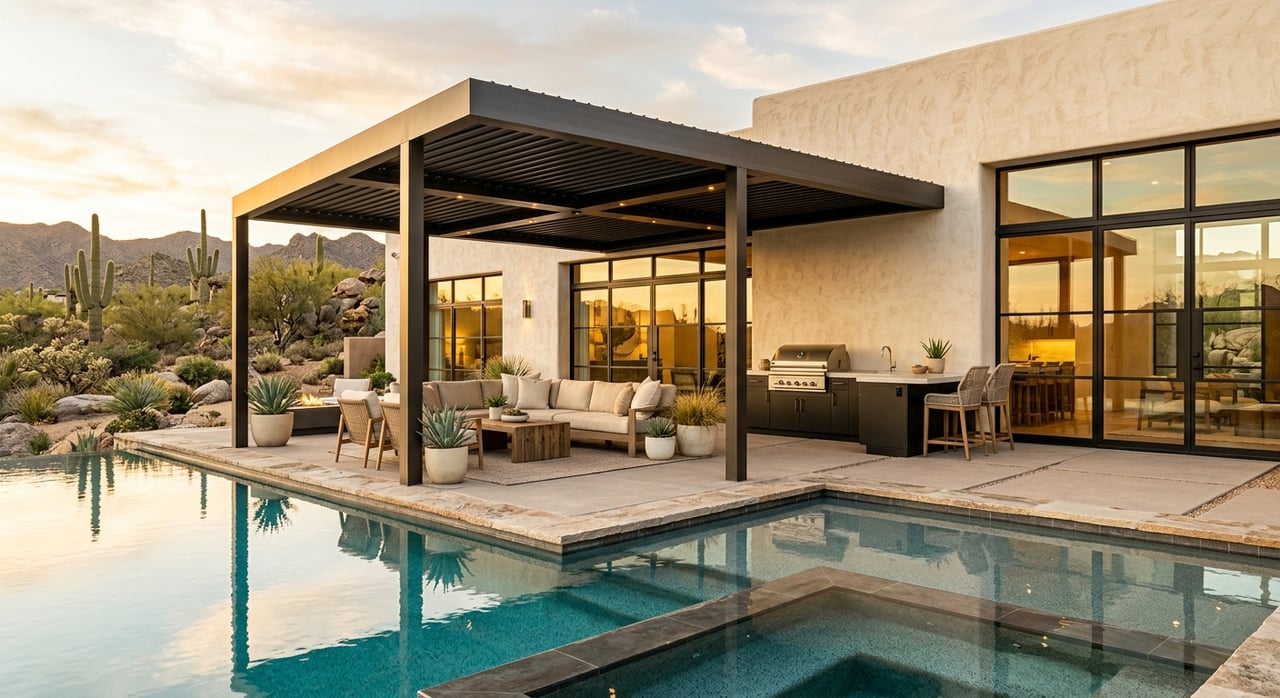
- Property features: Well-designed outdoor areas, heated pools, and turnkey interiors can lift average daily rate and guest satisfaction. Factor ongoing maintenance and utilities into your forecasts.
- Operating costs: Include cleaning, landscaping, utilities, pool service, HOA dues, platform commissions, taxes, insurance, supplies, and periodic refreshes. Conservative budgeting helps you ride seasonal dips.
Operations and risk management
Strong operations reduce complaints and protect your revenue. Build your plan around responsiveness and safety.
- Insurance: Many standard homeowner policies exclude STR activity. Secure a policy or endorsement that covers short-term rentals, liability, and guest injuries. Consider an umbrella policy for higher-value assets.
- Safety checklist: Install and maintain smoke and CO detectors, fire extinguishers, safe egress, and pool safety measures. Keep a documented log of checks and replacements.
- Local contact and response: Use a local manager or designate a 24/7 contact who can resolve issues quickly. Share this contact with neighbors to build goodwill.
- Guest rules and screening: Use clear house rules, minimum stays when prudent, and tools like ID verification, security deposits, and exterior-only cameras with proper disclosure. Noise monitoring devices that track decibel levels, not audio, can help prevent parties.
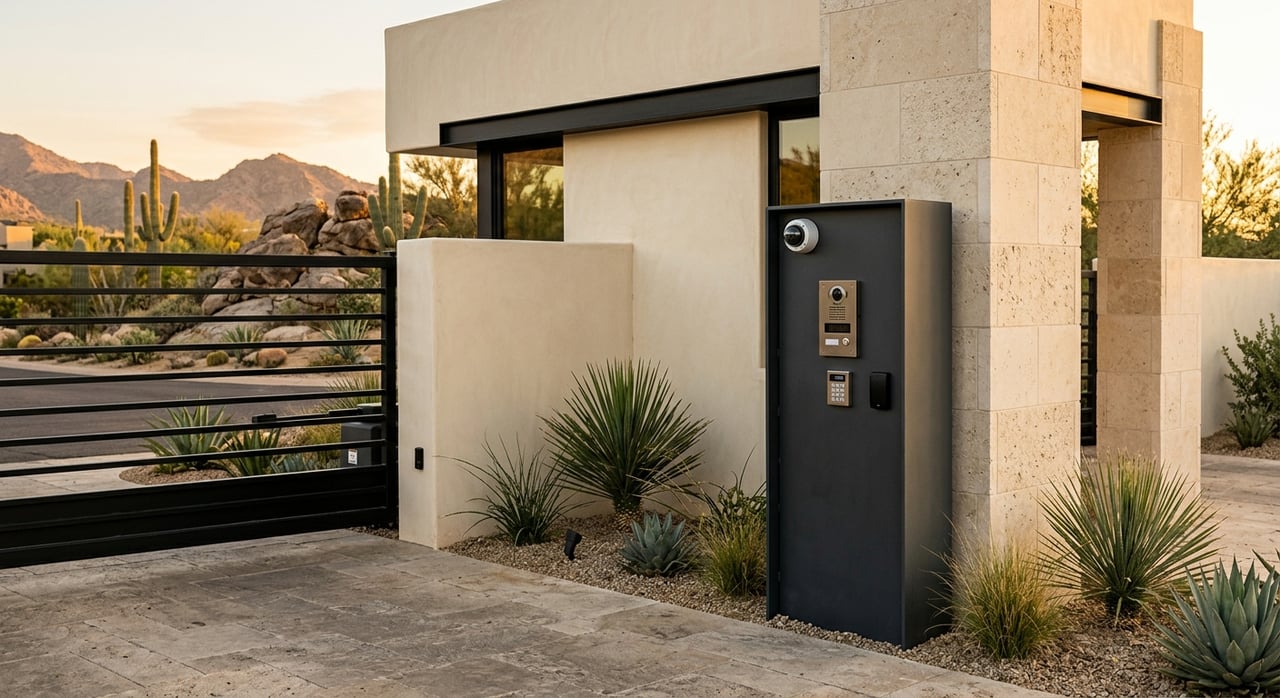
- Tech and access: Smart locks with time-limited codes, thermostat controls, and maintenance alert systems improve control and guest experience.
- Emergency readiness: Create a plan for power or HVAC failures, monsoon events, pool incidents, and medical emergencies. Include instructions in your guest guide.
Step-by-step launch plan
Use this sequence to minimize surprises and speed up your first booking.
- Confirm city limits: Verify the property sits inside Scottsdale rather than unincorporated county areas, since rules and taxes may differ.
- Review city program: Read the municipal code for short-term rentals, including registration, fees, and operating standards.
- Check zoning: Confirm base zoning and any overlay restrictions for the parcel.
- Review CC&Rs: Obtain HOA documents and written rental policies. Confirm any minimum lease terms or guest conduct rules.
- Register taxes: Set up Arizona TPT and any applicable city accounts. Calendar filing deadlines.
- Verify platform taxes: Confirm what your platform collects and what you must remit yourself.
- Set insurance: Obtain STR-specific coverage and consider an umbrella policy. Align coverage with property amenities.
- Build neighbor-friendly ops: Set a 24/7 local contact, parking plan, trash plan, and noise management.
- Complete safety setup: Install detectors, fire extinguishers, and pool protections. Document compliance.
- Monitor changes: Track city council updates and code changes. Budget for potential rule updates.
Neighborhood notes to research
Every area has its own demand drivers and private rules. Evaluate each micro-market on its merits.
- Old Town Scottsdale: Walkability to dining and nightlife supports strong demand. Confirm any condo building rules and marketing restrictions.
- McCormick Ranch and Gainey Ranch: Golf-oriented communities with HOAs. Review CC&Rs for rental terms and guest regulations.
- North Scottsdale: Luxury properties near hiking and golf may command premium rates. Larger lots and pools increase maintenance requirements.
- South Scottsdale and Indian Bend area: Central access to amenities can help occupancy. Verify parking, trash, and any neighborhood-specific rules.
Always verify HOA permissions and any community-specific rental caps before committing capital.
Red flags to avoid
Protect your investment by spotting issues early.
- HOA minimum terms: A minimum 30-day lease rule eliminates most short stays.
- Mortgage limits: Some loans restrict short-term rentals. Confirm with your lender before closing.
- Assuming platform tax coverage: Partial tax collection can leave you with filing gaps and penalties.
- Missing local contact: Slow responses to complaints can escalate to enforcement.
- Weak documentation: Keep records of guest communications, cleanings, maintenance, and tax filings to support compliance.
How we support Scottsdale STR investors
You deserve clear guidance and a calm process. As a boutique, family-led team based in Scottsdale, we help you make smart, compliant decisions.
- Deal sourcing and underwriting: Neighborhood-level insight, comps, and rental assumptions that reflect seasonality and operating costs.
- HOA and zoning diligence: Coordination to obtain CC&Rs and confirm property use with the right departments.
- Vendor network: Introductions to local managers, cleaners, pool and landscaping services, and STR-friendly insurance providers.
- Offer strategy: Terms and timelines that protect your due diligence windows for city, HOA, and tax registrations.
- Exit and resale planning: Guidance to position your asset for future sale or conversion to long-term use if rules change.
If you are weighing an STR purchase or reposition in Scottsdale, connect with our team for a focused conversation on your goals, timeline, and risk profile. We will help you move from idea to a compliant, guest-ready launch.
The Hoods Real Estate Team is ready to help you evaluate properties, coordinate diligence, and execute with confidence.
FAQs
Do I need a short-term rental permit in Scottsdale?
- Many cities require registration or permits. Verify Scottsdale’s current requirements and do not list the property until you complete the city’s process.
How do HOAs affect Scottsdale vacation rentals?
- HOA CC&Rs can prohibit or restrict STRs even when the city allows them. Always obtain and review CC&Rs and written rental policies before you buy.
What taxes apply to short-term rentals in Scottsdale?
- Expect local lodging taxes and Arizona transaction privilege tax. Some platforms may collect certain taxes, but you are responsible for full compliance and filings.
Are there occupancy or parking limits for Scottsdale STRs?
- City rules commonly limit occupancy by bedroom and regulate parking and noise. Confirm Scottsdale’s current standards and include clear house rules for guests.
What insurance do I need for a Scottsdale STR?
- Standard homeowner policies often exclude STR use. Secure a policy or endorsement designed for short-term rentals and consider added liability protection.
How strict is Scottsdale’s enforcement on STRs?
- Enforcement often follows complaints or missing registrations. Staying registered, responsive, and neighbor-friendly reduces risk.