Pricing a Scottsdale luxury home right now is part data, part nuance. You want a number that attracts qualified buyers fast without leaving money on the table. With luxury listings taking longer and buyer behavior shaped by price filters, small choices can have big outcomes. In this guide, you’ll learn how to set a smart price band, how Scottsdale’s micro-markets affect value, and what to expect with days on market, appraisals, and cash buyers. Let’s dive in.
Scottsdale luxury market right now
Citywide numbers give helpful context, even if they are not luxury-only. Redfin’s January 2026 snapshot shows Scottsdale’s median sale price near 925,000 and a median days on market around 80 days. Zillow’s ZHVI for December 2025 shows a typical home value near 832,749. Different vendors use different methods and time windows, so headline figures can vary and should be used as broad markers, not price tags for a luxury property.
Local luxury pockets behave like distinct markets. Silverleaf, DC Ranch, Troon North, Gainey Ranch, and nearby Paradise Valley often have higher medians, different buyer pools, and unique demand patterns. Local commentary highlights how supply and demand can swing differently in these niches compared to the citywide average. You should treat each of these communities as its own micro-market with its own comp set and pricing rhythm. For neighborhood-level context, review observations from The Cromford Report shared by Scottsdale REALTORS here.
What drives value in Scottsdale luxury
Define your micro-market and buyer pool
Your relevant “neighborhood” may be a gated community, a particular ridgeline, or golf-course frontage. Buyer expectations and budgets shift by view corridors, lot size, and amenity sets. Start by defining the tightest micro-market where buyers would cross-shop your home.
Choose comps when sales are scarce
In luxury, there are fewer sales. Appraisers and experienced agents often widen the time window to 12 to 24 months and include nearby premium communities, then apply careful adjustments. Recent closed sales carry the most weight, while pendings and active competition help you gauge momentum and positioning. The Appraisal Institute supports this approach when direct comps are limited; their guide notes emphasize documented, market-supported adjustments here.
Adjustments that matter most
Certain features drive larger adjustments in Scottsdale’s top tier. Your agent will reconcile these item by item:
- Location premiums: mountain or McDowell views, golf-course adjacency, private canyon parcels.
- Lot size and usable acreage, especially desert-view or highly private sites.
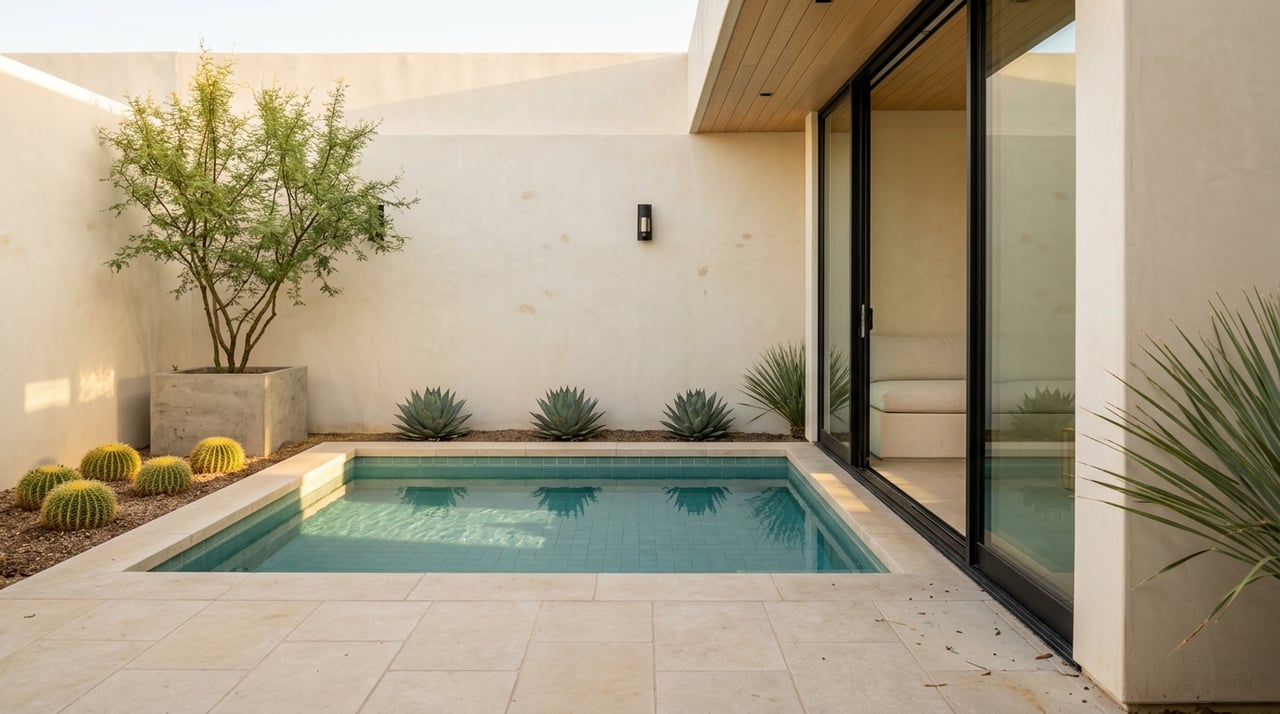
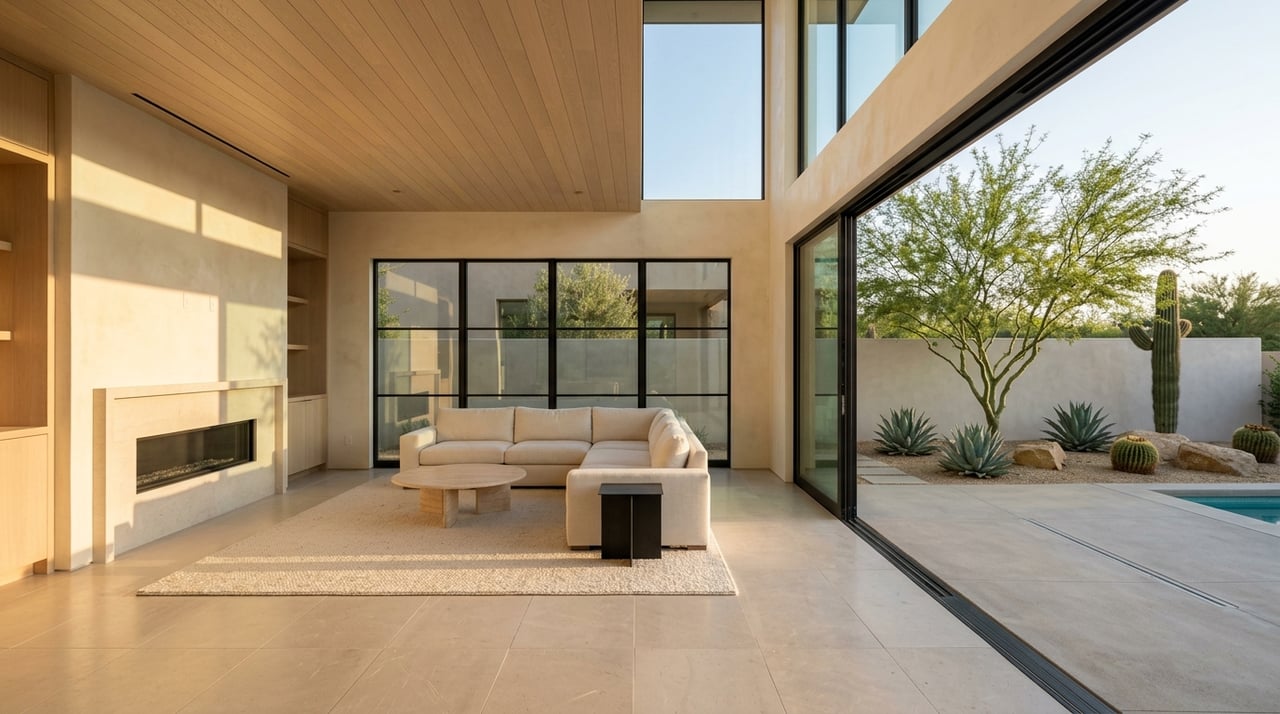
- Resort-grade outdoor living: pool design, shaded loggias, outdoor kitchens, multiple entertaining zones.
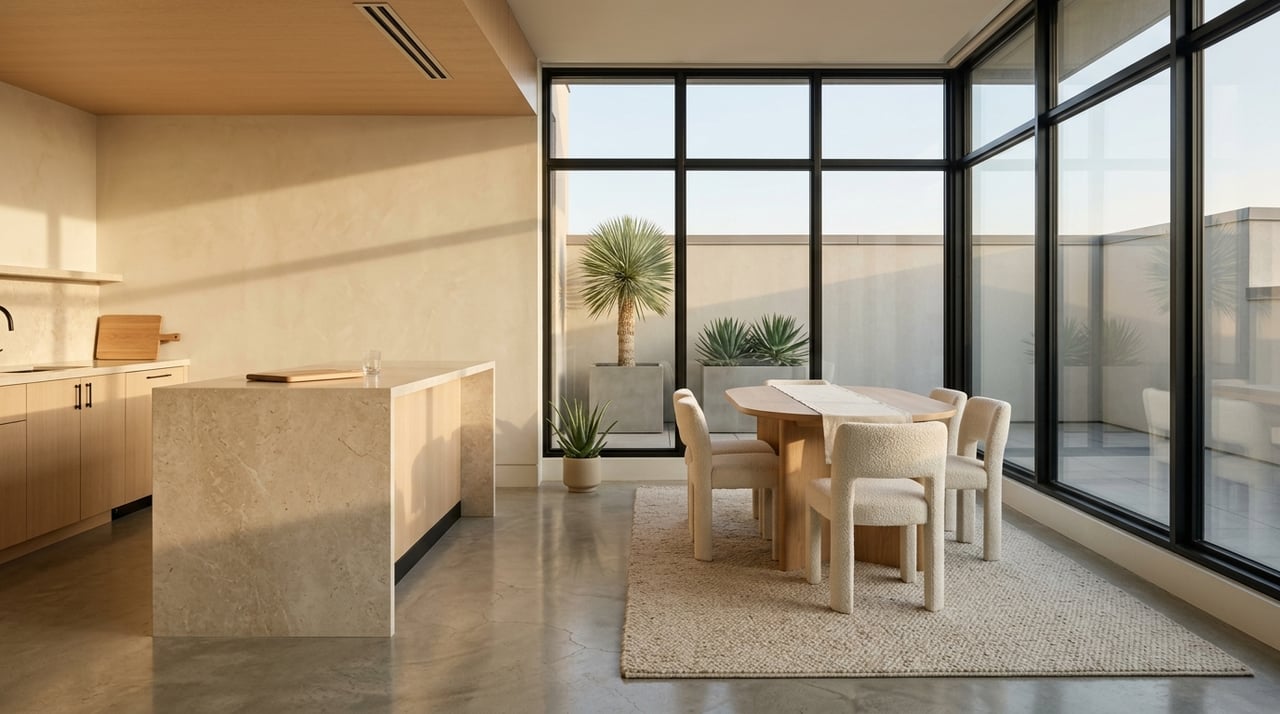
- High-end systems and finishes: permitted upgrades, indoor-outdoor flow, guest casitas, elevators, smart security, wine rooms, and documented permits.
- Unique amenities that narrow the buyer pool, such as equestrian facilities or compound-style privacy, which can affect liquidity and pricing strategy.
Build a price band, not a number
Comps rarely point to one exact price. A smart plan presents a supported range with conservative, market, and aspirational scenarios. Listing near the top of the range only works when the property is near-perfect and the outreach plan targets qualified high-net-worth buyers through private networks, international channels, or even auction strategies. Luxury auction platforms have reported record outcomes in certain cases, which underscores the value of tailored exposure when a property warrants it; see examples of high-visibility campaigns here.
Price bands and buyer behavior
Search thresholds and exposure
Most buyers use price filters in saved searches. Listing just above a round number, like 2,000,000, can push your home out of many alerts. Being on the right side of a threshold increases early visibility, which often drives the best showings in the first two weeks. Your pricing band should align with how qualified buyers actually search.
Rounded vs just-below pricing
Charm pricing, such as 1,999,999, can keep you inside a lower search band and catch attention. Academic research on the left-most digit effect also shows rounded prices sometimes correlate with faster sales and smaller discounts from list. The right strategy depends on your specific tier, competition, and timing goals. You can review the study’s discussion of tradeoffs here.
Timing and the cost of mispricing
The 14-day momentum window
The first 7 to 14 days carry outsized weight. Listings that launch with the right price and presentation tend to earn more clicks, more saves, and better agent-to-agent interest. If engagement trails early, visibility can slip and the listing risks a “why hasn’t it sold?” stigma.
Scottsdale’s stale-listing backdrop
In 2025, a high share of Phoenix-metro homes sat on the market for 60 days or more. Local reporting pegged nearly half of listings in April 2025 in that category, which tells you buyers had leverage when homes went stale. Use that context when setting your list price and your adjustment strategy. See the metro snapshot here.
What overpricing really does
Patterns repeat at the high end. Overprice and you often miss the early wave, then accept smaller showings, followed by multiple cuts, and a final sale below what a properly calibrated launch could have achieved. A clean, data-backed debut at a market-right price usually protects momentum and your net.
Appraisals, cash, and financing
Appraisal risk at the top end
Unique estates often face appraisal challenges because direct comps are scarce. Lenders may widen time and geography, add more adjustments, or ask for a second review. A pre-listing comp packet, verified permits, and even a pre-listing appraisal for very high tiers can reduce renegotiation risk. Explore relevant guidance from the Appraisal Institute here.
Cash share and negotiation dynamics
Cash is more common at the ultra-luxury level. Surveys in recent years have pointed to very high cash participation among trophy transactions, while 1 to 2 million ranges still see a mix of financing and cash. Fewer loan and appraisal contingencies can help, but cash buyers may negotiate harder on price or terms. Your pricing and offer strategy should reflect the likely buyer mix for your tier and micro-market.
Jumbo loans and conforming limits
When a purchase exceeds the conforming loan limit, buyers move to jumbo or portfolio loans that often require more documentation, reserves, and time. That can influence your timeline and appraisal sensitivity. You can review the latest conforming thresholds from the FHFA here.
Your Scottsdale pricing playbook
- Pre-list audit and scope
- On-site visit, verified measurements, and a complete permits and upgrades packet.
- Professional photography and floor plans, with a discussion about pocket vs broad exposure for 2 million plus listings.
- Comp work
- Build a primary comp set of 3 to 7 sales plus a secondary list for sensitivity.
- For unique properties, widen the window to 12 to 24 months and nearby premium communities, with documented adjustments supported by appraisal standards.
- Price band presentation
- Show conservative, market, and aspirational scenarios with net-to-seller estimates and time-to-contract expectations for each.
- Explain the tradeoffs: higher ask may take longer and risk deeper markdowns; competitive positioning aims to maximize the fresh-listing window.
- Launch and measurement
- Launch with a targeted luxury marketing plan focused on qualified buyers and trusted broker networks.
- Track engagement metrics for the first 7 to 14 days and be ready to make one meaningful adjustment if the listing underperforms.
- Appraisal readiness and financing
- Prepare a concise comp packet for appraisers, including permits and material upgrades.
- Negotiate financing and appraisal gap options where relevant; for a high share of likely cash buyers, weigh privacy-forward exposure versus full MLS reach.
A quick example to make it real
Imagine your home’s supported range is 2.95 million to 3.15 million based on the best Scottsdale comps. If most qualified buyers filter up to 3 million, listing at 3,010,000 could reduce early exposure. Pricing at 2,995,000 keeps you inside a larger search band and could drive more first-week showings. If the property is truly turnkey with rare view corridors and the marketing plan targets known HNW buyers, listing near 3,150,000 might still make sense, but you should be ready to pivot quickly if engagement lags.
A disciplined, transparent approach helps you protect momentum, manage appraisal risk, and optimize your net.
Ready to price with precision and launch with confidence? Reach out to The Hoods Real Estate Team for a private consultation and a tailored pricing band for your Scottsdale luxury home.
FAQs
For Scottsdale luxury sellers, should I price just under a round number?
- It depends on your tier and goals. Just-below pricing can keep you in a lower search band, while rounded pricing sometimes sells faster with smaller discounts; weigh the tradeoffs in your niche based on the left-most digit research here.
How long does it take to sell a 3 million home in Scottsdale?
- Expect longer timelines than the citywide average. National luxury percentiles in 2025 showed around 70 to 90 days to contract, and Scottsdale’s 2 to 5 million segment often tracks similar or longer; plan for 60 to 180 days depending on product quality, pricing, and micro-market.
Do I need a pre-listing appraisal for a unique custom estate?
- If you are near the top of a value range or expect financed offers, a pre-listing appraisal can reduce renegotiation risk and support pricing during underwriting; see appraisal standards guidance here.
Will most buyers be cash at 2 to 5 million in Scottsdale?
- Cash share rises with price. Ultra-luxury tiers often see very high cash participation, while 1 to 2 million includes more financed buyers. Your offer strategy should fit the likely mix for your specific submarket and home.
What can hurt appraisal value on a one-of-a-kind property?
- Sparse comps, undocumented upgrades, and features that narrow the buyer pool can introduce more adjustments and risk. A thorough comp packet with permits and receipts helps appraisers support value within accepted standards here.