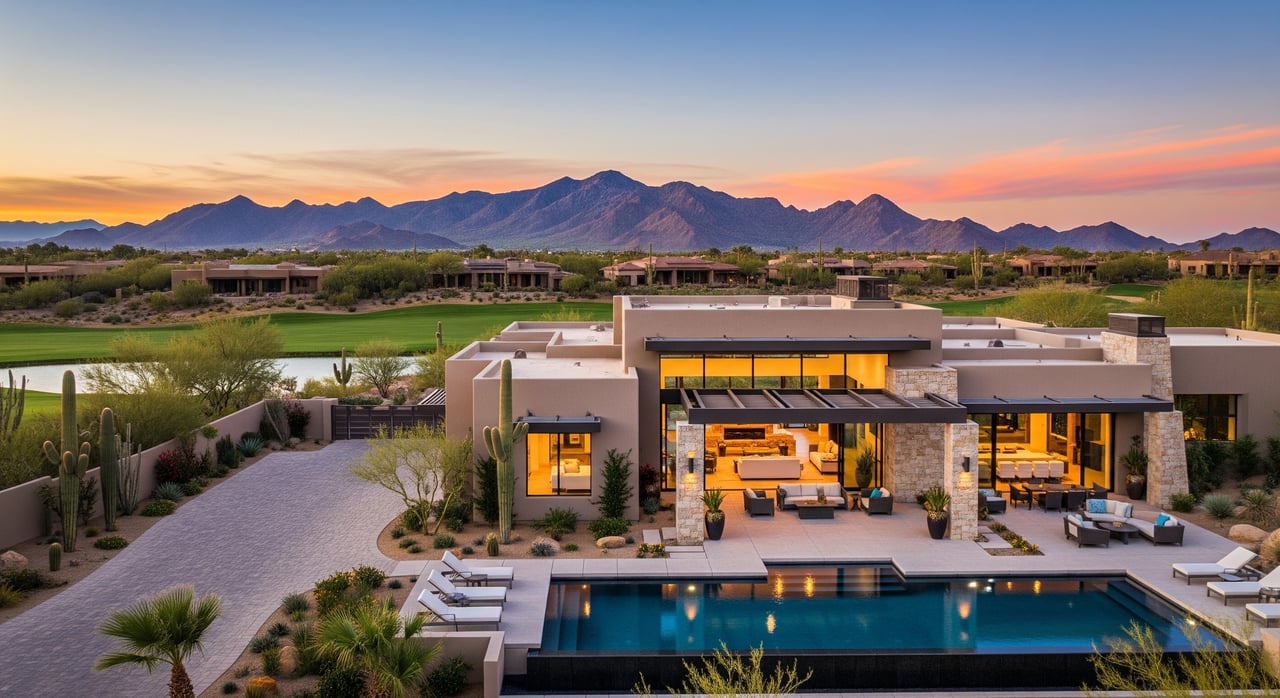
You are not just buying a home in Scottsdale. You are choosing a lifestyle, a commute, and a set of amenities that shape your everyday. If you are relocating, it can be hard to compare gated golf communities, walkable districts, and central neighborhoods from a distance. This guide gives you a clear, step-by-step way to narrow options and a practical look at the luxury areas most buyers consider. Let’s dive in.
Scottsdale luxury, in brief
Luxury in Scottsdale typically starts at $1,000,000 and ranges into the multi‑million tier for custom estates and larger lots. You will find three main living patterns: private, gated enclaves in North Scottsdale; urban, walkable living near Old Town and Kierland; and established central neighborhoods around McCormick Ranch and the Camelback Corridor. Nearby towns with overlap include Paradise Valley, Carefree, and Cave Creek.
Total cost goes beyond purchase price. Expect HOA dues in many communities and, where private golf or country clubs are involved, initiation and annual fees. Arizona’s effective property tax rate is generally below 1 percent of assessed value, but you should verify current assessments and multipliers with the Maricopa County Assessor. Energy costs run higher in summer due to heat, and larger desert lots often require irrigation and landscape maintenance planning.
A simple neighborhood framework
Use this seven‑step process to quickly narrow your options.
Step 1: Define non‑negotiables
- Maximum commute time, door to door
- School boundaries you must be inside
- Home and lot type: condo or townhome, urban lot, or 0.25–1+ acre
- Must‑have amenities: private club/golf, hiking access, walkable dining, equestrian features
- Target budget including HOA and any club dues
Step 2: Map real commutes
- Check peak‑hour drive times from candidate neighborhoods to your workplace and frequent destinations.
- Note that Loop 101 is Scottsdale’s main artery. Homes east of the 101 can add cross‑town minutes depending on time of day.
- If you fly often, confirm travel time to Sky Harbor and any corporate shuttle access.
Step 3: Rate lifestyle and walkability
- Score neighborhoods for walkable dining and services. Old Town, Kierland, and Scottsdale Quarter rate high. Most gated North Scottsdale enclaves rate lower but offer private amenities.
- Seasonal residents often prefer lock‑and‑leave condos; year‑round residents may prioritize schools, commute, and outdoor space.
Step 4: Verify schools and services
- Confirm public school boundaries through your district and check current state report cards.
- Useful starting points: Scottsdale Unified School District, Paradise Valley Unified School District, and Cave Creek Unified School District.
Step 5: Confirm costs beyond price
- Request HOA budgets and any special assessment history.
- If a private club is involved, ask about initiation and annual dues.
- Review recent utility bills, especially summer electric.
Step 6: Consider resale and liquidity
- Ask for days‑on‑market trends and list‑to‑sale price ratios by neighborhood.
- Gated enclaves with limited new inventory can show pricing stability but may move slower at the ultra‑luxury tier due to a smaller buyer pool.
Step 7: Evaluate climate and site
- Prefer homes with efficient systems, shaded outdoor areas, and drought‑tolerant landscaping.
- For hillside or large‑lot properties, ask about maintenance, drainage, and any restrictions.
Neighborhood snapshots
These quick profiles show how the main luxury clusters differ so you can match them to your priorities.
North Scottsdale gated enclaves (Silverleaf, Desert Mountain, Troon, Troon North, DC Ranch, Grayhawk)
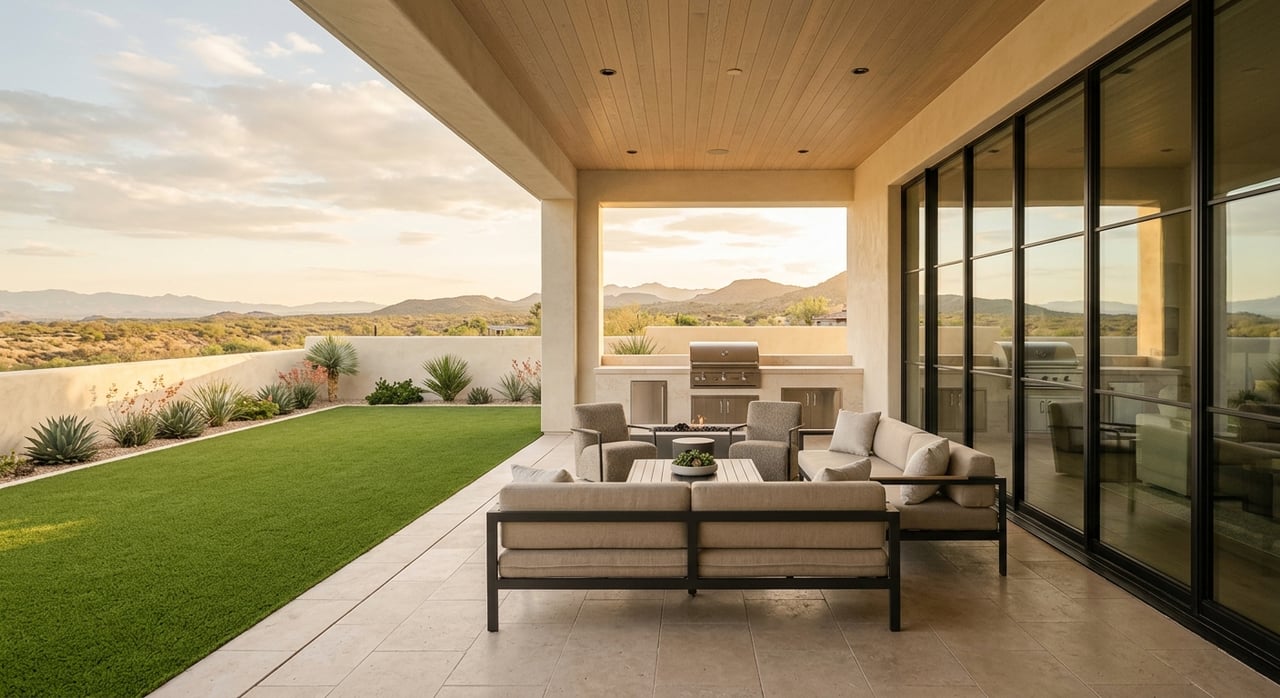
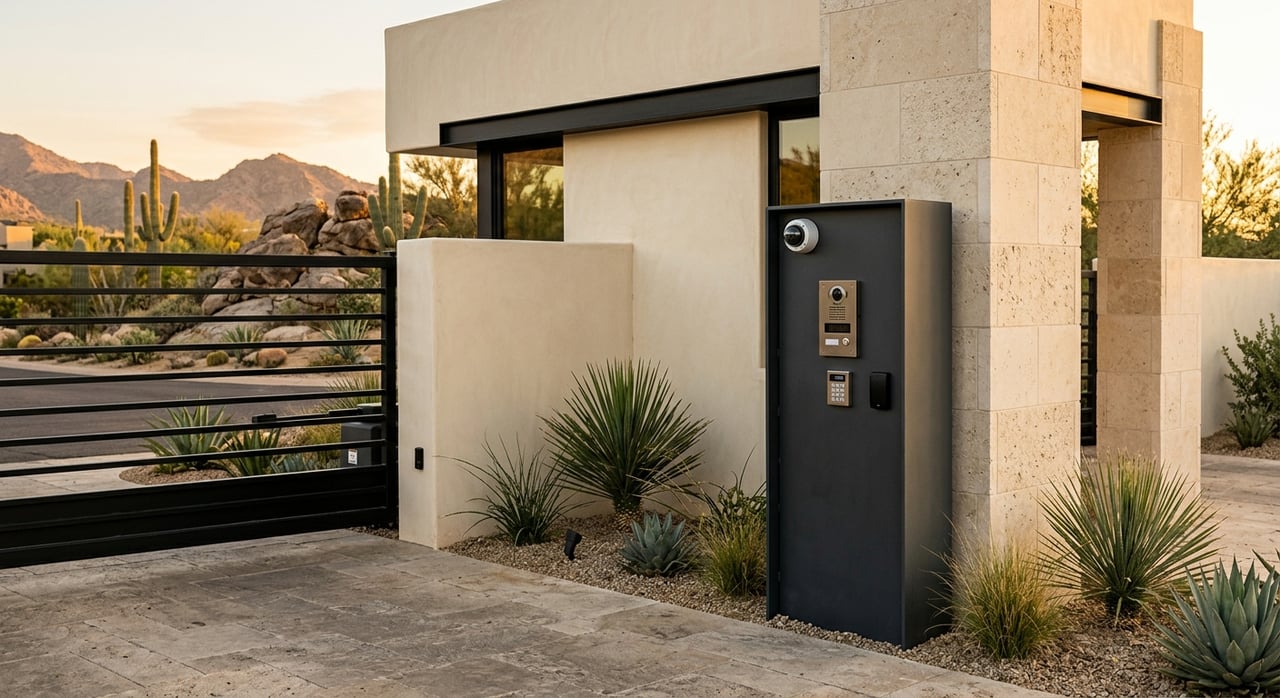
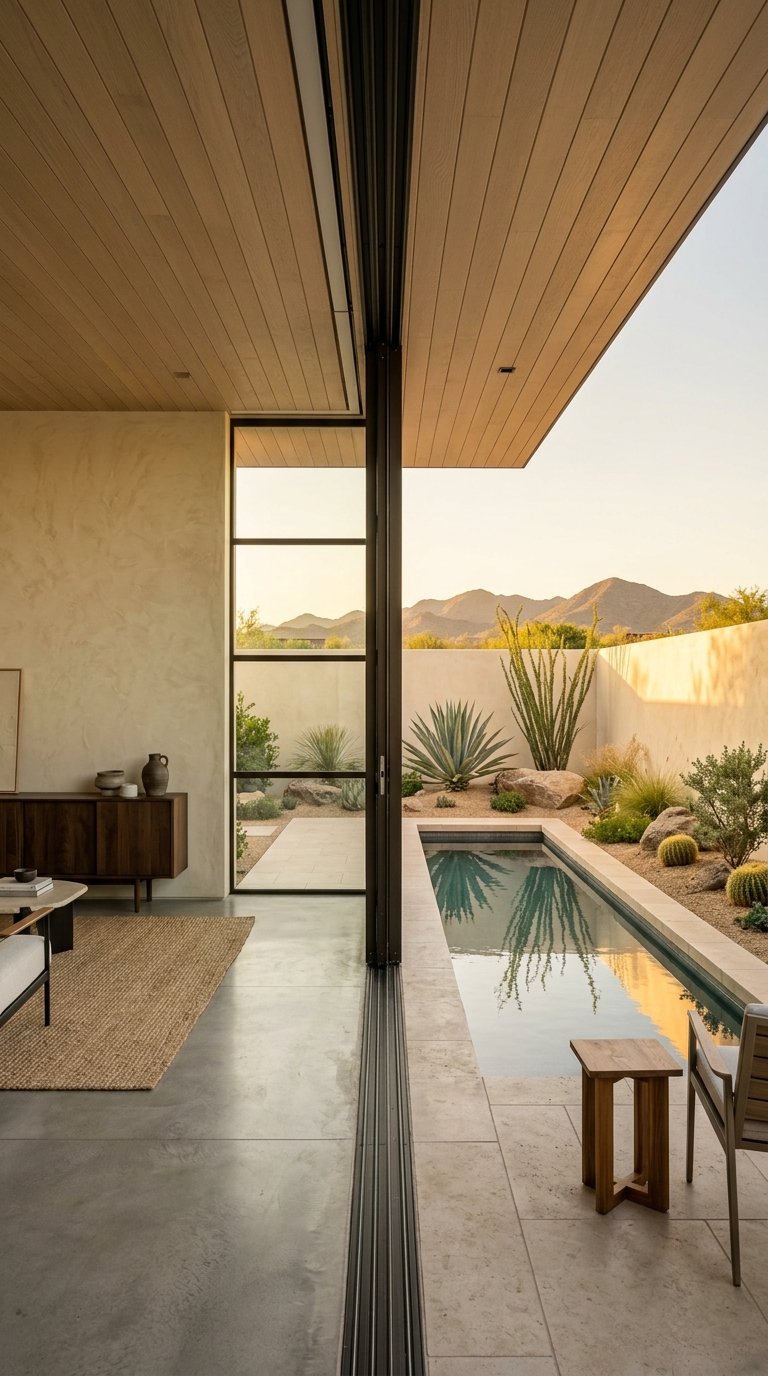
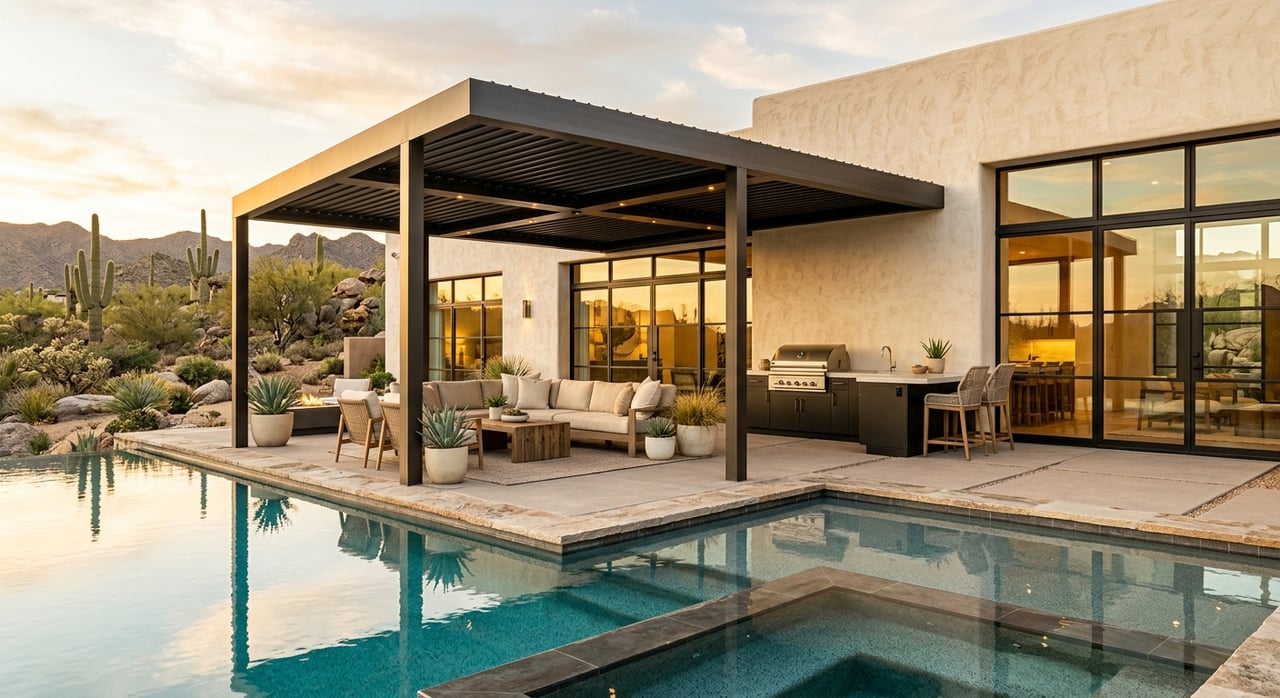
- Housing and lots: Gated and guarded communities, custom estates, and expansive lots often from a quarter‑acre to over an acre. Desert‑modern and Mediterranean styles are common. Many homes sit within private golf or country clubs.
- Lifestyle: Privacy, scenic McDowell Mountain views, club amenities, and strong indoor‑outdoor living.
- Commute and access: Farther from central Scottsdale and Phoenix employers. Proximity to Loop 101 helps, but expect longer peak‑hour drive times.
- Costs: Premium purchase prices are common. Plan for HOA dues and, in club communities, initiation and annual fees.
- Best fit: Buyers who prioritize privacy, golf, and resort‑style amenities over short commutes and walkability.
Old Town, Scottsdale Waterfront, Kierland, Scottsdale Quarter
- Housing and lots: Luxury condos, townhomes, and boutique single‑family builds on smaller lots. Newer mid‑rise residences with concierge‑level finishes are available.
- Lifestyle: High walkability, dining and nightlife, arts, and retail all nearby. Great lock‑and‑leave options.
- Commute and access: Short drives to central Scottsdale employers and quick access to Phoenix via AZ‑51 and Loop 202.
- Costs: Lower yard maintenance, but HOA fees still apply. You pay a premium for location and convenience.
- Best fit: Buyers who want an amenity‑rich, urban experience with minimal yard work.
McCormick Ranch, Camelback Corridor, Biltmore adjacency
- Housing and lots: Mature, landscaped neighborhoods with a mix of single‑story and two‑story luxury homes. Lot sizes are larger than Old Town but more conventional than far‑north enclaves.
- Lifestyle: Established feel with parks, golf, and strong access to services and medical centers. Central location between Scottsdale and Phoenix.
- Commute and access: Convenient to Loop 101 and I‑10. Good base for work in either city.
- Costs: HOA dues vary by subdivision. Club access is nearby but not always within your HOA.
- Best fit: Buyers who want central access without the premiums or distance of ultra‑private, far‑north communities.
Carefree and Cave Creek (northeast fringe; Desert Mountain adjacent)
- Housing and lots: Larger acreage and ranch properties. Equestrian‑friendly zoning is common in select areas.
- Lifestyle: More rural and quiet with pronounced privacy and mountain views. Outdoor recreation is a major draw.
- Commute and access: Longer drives into Scottsdale and Phoenix. Often best for flexible or remote work.
- Costs: Larger parcels mean more landscape and maintenance planning. Some properties have unique water or well considerations.
- Best fit: Buyers seeking acreage, space for hobbies, or a quieter desert setting.
Commute and access: what to expect
Scottsdale’s Loop 101 is the backbone for getting around. If you plan to work in central Scottsdale or head into Phoenix often, living close to the 101 shortens drive times. North Scottsdale often adds 15 to 30 minutes to central Phoenix commutes depending on the exact location and rush hour. Neighborhoods east of the 101 can add cross‑town time for errands and school pick‑ups. Always test your routes at the hours you expect to travel.
Costs beyond the list price
Beyond your purchase price, include:
- HOA dues and any community transfer fees
- Private club initiation and annual dues where applicable
- Property taxes based on assessed value; verify details with the Maricopa County Assessor
- Utilities, especially summer electric
- Landscaping, irrigation, and pool service if applicable
- Potential special assessments noted in HOA documents
Request recent HOA budgets, reserve studies, and any assessment history during due diligence. For city services and planning updates that can affect neighborhood experience, use the City of Scottsdale website.
Outdoor living and recreation
If trail access or mountain views matter, consider proximity to the McDowell Sonoran Preserve and local trailheads. The McDowell Sonoran Conservancy and city trail resources outline trail systems, access points, and conservation areas. In many gated enclaves, you will also find private club fitness, tennis, pickleball, and social programming that enhance daily life, but confirm membership requirements and fees before you decide.
Resale and liquidity
Luxury homes do not all sell at the same pace. Ultra‑luxury estates can take longer due to a smaller buyer pool. Gated communities with limited new construction often show steadier pricing but slower turnover at the top tier. Ask for neighborhood‑level trends on days on market, recent comparable sales, and list‑to‑sale price ratios so you understand how long you might hold before selling and what upgrades buyers expect.
Smart questions to bring to your agent
Use these prompts to get neighborhood‑level clarity fast:
- Market and pricing: “Show me 6–12 months of comparable sales and current actives at my target price.”
- Liquidity: “What are the average days on market and the list‑to‑sale price ratio here?”
- Inventory: “How much luxury inventory is available now? Are off‑market or coming‑soon deals common?”
- HOA and clubs: “Please provide HOA budgets, reserves, and any special assessments. Are there private club initiation or mandatory membership fees? What are typical annual dues?”
- Operations: “What are typical summer electric bills for comparable homes?”
- Site risks: “Is the property in a floodplain, hillside area, or impacted by easements?”
- Water/irrigation: “Any wells, reclaimed water, or HOA irrigation responsibilities I should know about?”
- Lifestyle: “How walkable is the area to dining, shopping, and medical care? Where do most residents go for groceries and fitness?”
- Development: “Any planned roadwork or developments that could affect traffic, noise, or views?”
- Schools: “Which public schools serve this property and what do current state report cards show?”
- Safety: “Can you share neighborhood‑level crime data and any trends?” For local data, start with the Scottsdale Police Department.
Build your shortlist in 15 minutes
Score each neighborhood 1–5 on the attributes that matter most:
- Commute to primary workplace
- School access and services you need
- Lot and home type match
- Walkability to dining and daily needs
- Proximity to parks, trails, and golf
- HOA or club cost impact
- Resale market strength
Then match scores to likely fits:
- Privacy, views, and golf: Silverleaf, Desert Mountain, DC Ranch, Troon, Troon North, Grayhawk
- Walkable and lock‑and‑leave: Old Town, Scottsdale Waterfront, Kierland, Scottsdale Quarter
- Central access and established feel: McCormick Ranch, Camelback Corridor, Biltmore adjacency
- Acreage and quiet desert setting: Carefree and Cave Creek, with Desert Mountain adjacent
Ready to explore homes that fit your scorecard? A boutique, high‑touch approach makes the difference when you are relocating and need trusted local guidance. If you want curated options, on‑the‑ground intel, and a calm, concierge experience, connect with The Hoods Real Estate Team.
FAQs
What should I budget beyond a Scottsdale luxury home’s list price?
- Plan for closing costs, HOA dues, any private club initiation and annual fees, higher summer electric, landscaping or pool service, property taxes, and possible HOA special assessments.
How do golf club fees impact my total cost in North Scottsdale?
- In many gated golf communities, initiation and annual dues are significant and can change your monthly outlay and future resale appeal, so verify costs before you commit.
Is a luxury condo in Old Town a good option for a second home?
- If you want walkability and low maintenance, luxury condos and townhomes offer strong lock‑and‑leave living, while estates trade that for land, privacy, and space for outdoor amenities.
How long do luxury homes take to sell in Scottsdale?
- Pace varies by segment and neighborhood; ultra‑luxury estates often take longer due to a smaller buyer pool, while gated enclaves with limited supply may show price stability but slower turnover.
How can I evaluate schools when I do not know the area?
- Confirm boundaries with the local district and review current state report cards; good starting points include Scottsdale Unified, Paradise Valley Unified, and Cave Creek Unified.
Where can I find official city and safety information as I compare neighborhoods?
- For city services, planning, and trail resources use the City of Scottsdale, and check neighborhood‑level data with the Scottsdale Police Department.