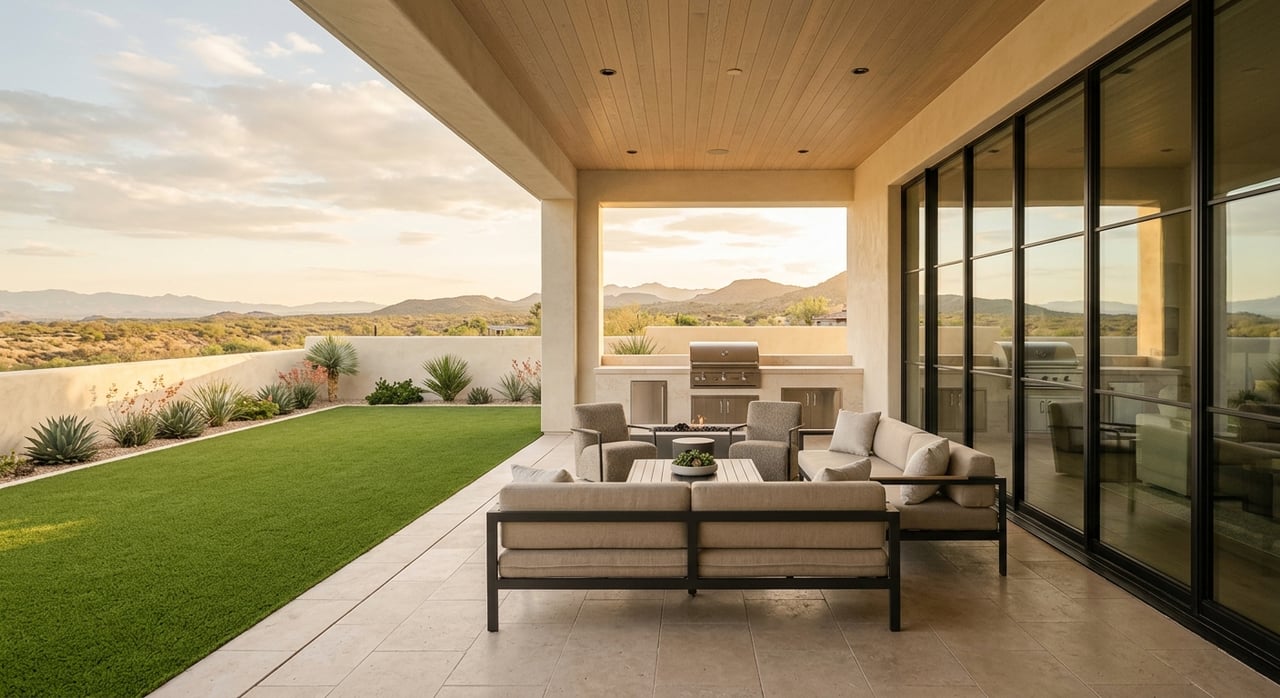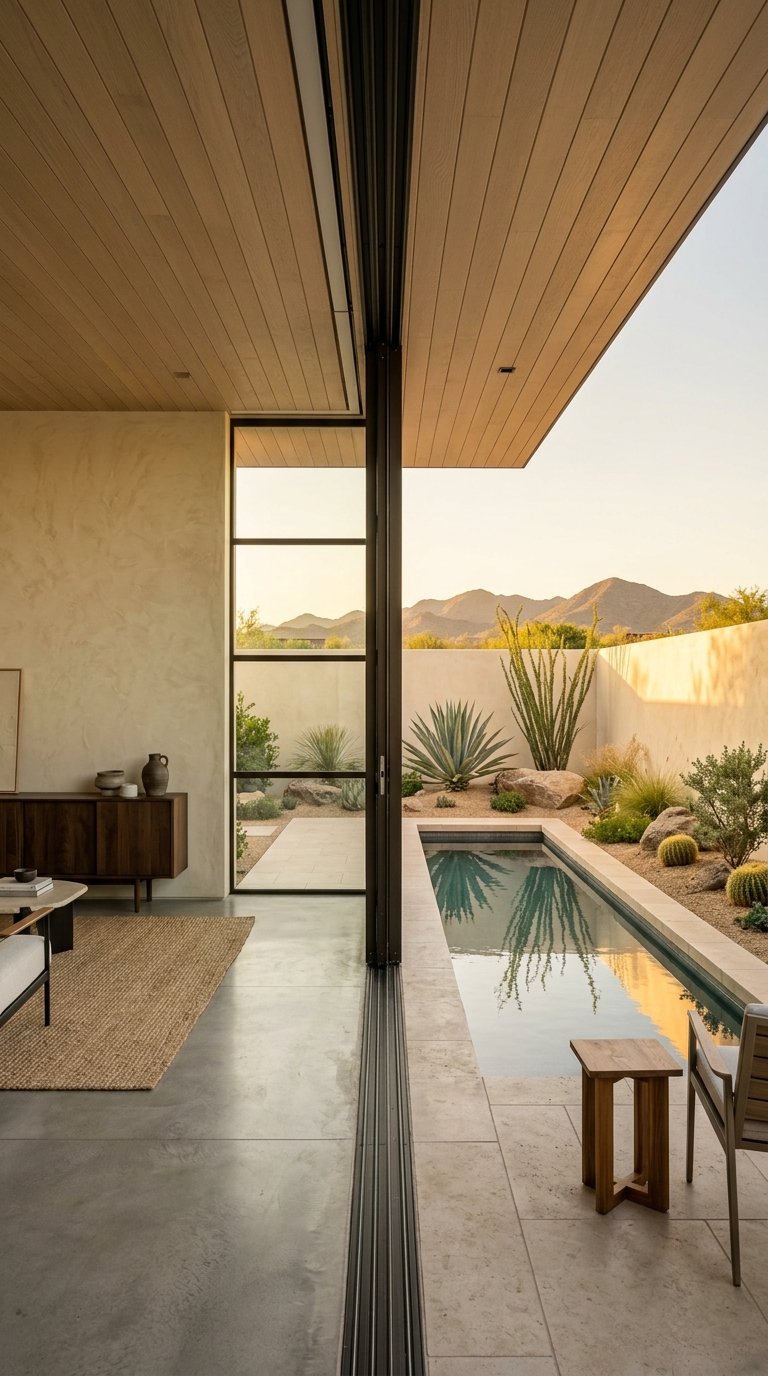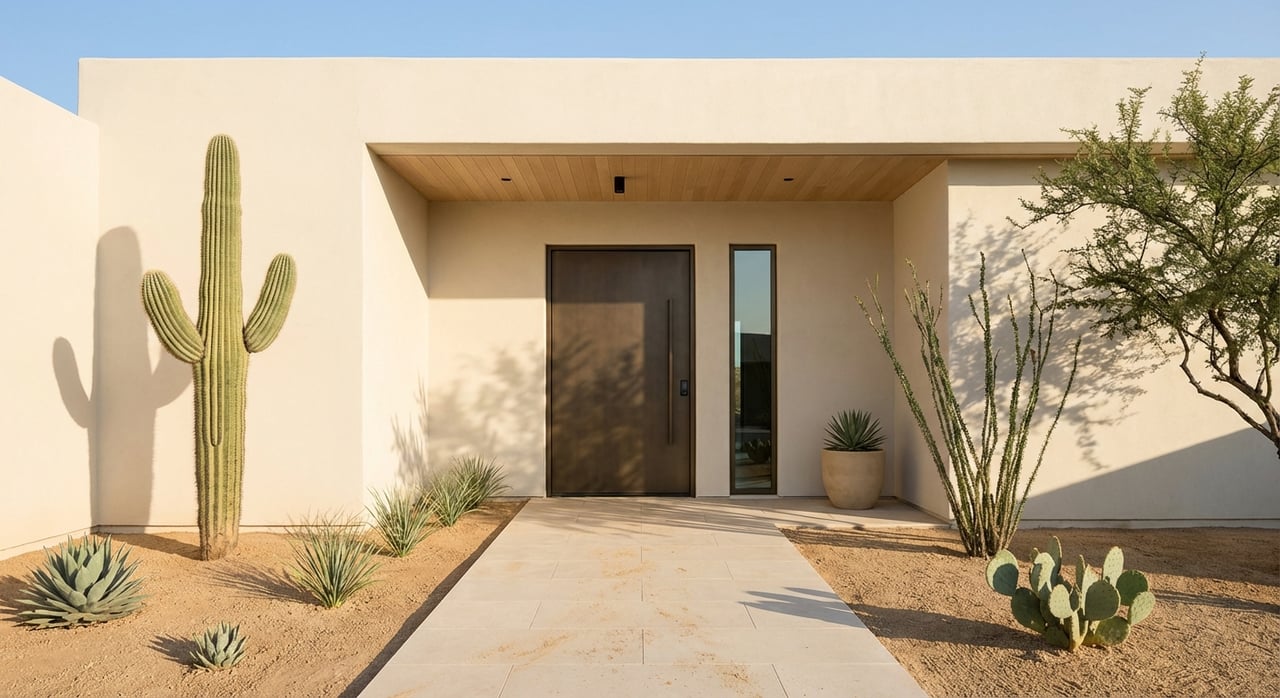
Dreaming of winter mornings on a sunny patio or a lock-and-leave retreat near Scottsdale’s dining and golf? You’re not alone. Scottsdale attracts seasonal owners and investors thanks to its resort lifestyle, desert scenery, and reliable visitor demand. In this guide, you’ll learn how to choose the right neighborhood, navigate short-term rental rules, understand financing and insurance, and model real costs so you buy with confidence. Let’s dive in.
Scottsdale at a glance
Scottsdale is a premium market within the Phoenix metro. Public data providers placed typical home values roughly in the high $700s to the low $900s as of early 2026, with neighborhood pricing varying widely by product and location. Treat city averages as a starting point and rely on zip-level comps when you shortlist homes.
Seasonality matters. Visitor peaks arrive in winter from October through April and during MLB Cactus League spring training in late February and March, which lifts short-term demand near Old Town and Salt River Fields. Summer and monsoon season see softer leisure demand, which can translate to more negotiating room for buyers.
Neighborhood fit and timing
Know your submarkets
- Old Town and central Scottsdale: Mostly condos and townhomes with walkable dining and entertainment. Strong appeal for visitors seeking proximity to nightlife and events.
- McCormick Ranch and the Airpark area: A mix of townhomes and single-family homes, convenient to shops, parks, and employment hubs.
- North Scottsdale, including Troon, Pinnacle Peak, and Desert Highlands: Primarily luxury estates and golf communities near mountain preserves.
HOA prevalence, amenities, and rental flexibility differ by community. Always verify rental policies and pricing with current neighborhood comps before you write an offer.
When to tour and buy
If you plan to rent seasonally, visit during peak periods to understand traffic, event calendars, and nightly rates. For context on spring training timing and venues, review this Cactus League overview. If you are price sensitive, touring in late summer can reveal opportunities when buyer competition is lighter.
Short-term rental rules you must know
City license and operating basics
Any rental under 30 days in Scottsdale requires a city short-term rental or vacation rental license. The annual license fee is $250 per property, and owners must meet operational requirements such as a designated local emergency contact, neighbor notification, and life-safety items. Start with the city’s official guidance on Scottsdale STR licensing and compliance.
Safety requirements for pools and spas
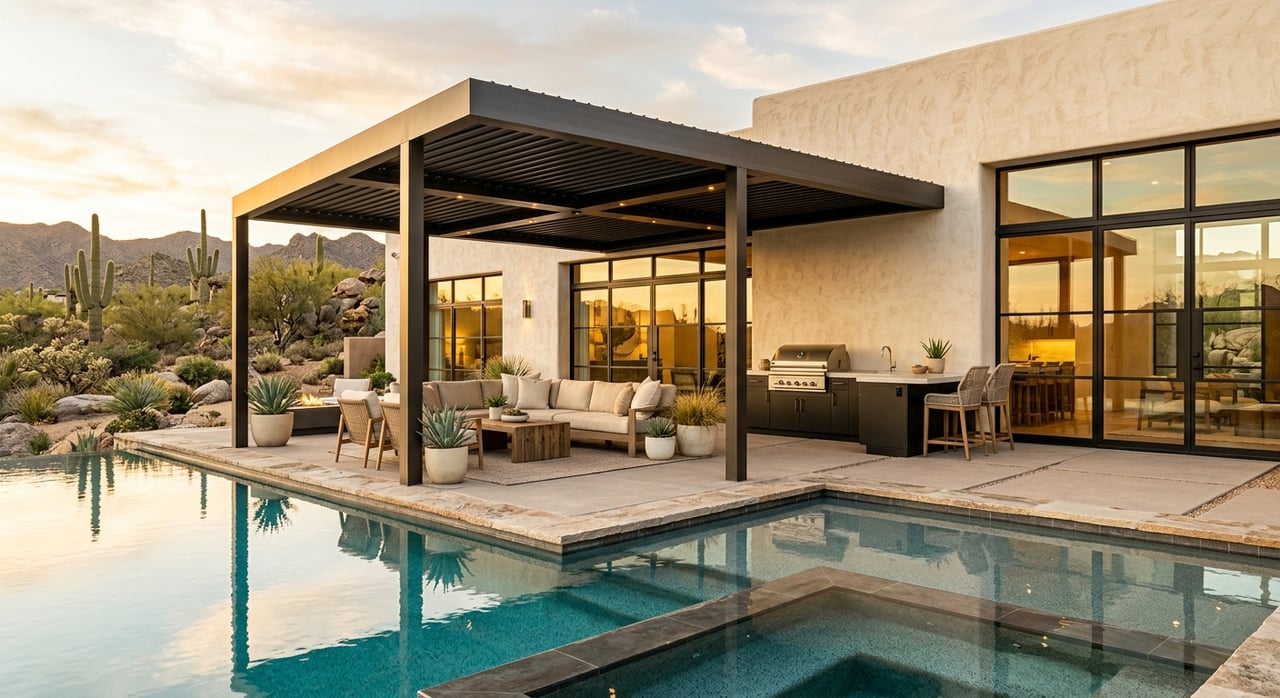
If the property has a pool or spa, confirm pool barrier compliance. Scottsdale ties specific pool and spa barrier standards to STR licensing, including a 60-inch primary perimeter barrier, self-closing gates, and either a secondary barrier or alarms. Review the city’s pool and spa barrier rules before you buy.
How short stays are taxed
Short-term lodging is taxed at multiple layers. Expect state, county, and city transaction privilege tax, plus Scottsdale’s transient lodging (bed) tax. Platform collection practices vary, and hosts remain responsible for registration, returns, and any uncollected tax. See the city’s tax and licensing page for current classifications and rates before modeling revenue.
HOAs and CC&Rs can override your plan
City rules allow STRs, but your HOA may not. Recorded CC&Rs can set minimum lease lengths, caps, guest rules, and penalties. Get the full CC&Rs, bylaws, budget, and meeting minutes in writing and confirm rental policy compliance prior to closing. For context on the legal landscape, review this summary of Scottsdale’s ordinance and enforcement framework from ASREB.
Enforcement is active
Scottsdale monitors listings and responds to complaints. Verified violations such as party activity, missing safety items, or licensing lapses can lead to fines, suspension, or revocation. If you plan to rent, have a reliable 24-hour contact and document operating procedures that meet city standards.
Financing, taxes, and insurance basics
Second home vs investment loan
Lenders treat use differently. A true second home that you occupy part-time often qualifies for conventional second-home financing with around 10% down depending on the program. Properties purchased primarily to rent are under investment guidelines, typically requiring 15 to 25% down, higher rates, and larger reserves. Confirm your intended use and prequalify early. For a deeper overview, see this second-home mortgage guide.
Property tax overview
Arizona property tax bills bundle multiple jurisdictions. In Scottsdale, the city adopts primary and secondary levies each fiscal cycle, and parcel-level costs vary by district. For current levy schedules and notices, refer to Scottsdale’s public notices and verify the parcel’s tax history before finalizing your budget.
Federal rental tax rules
If you rent the home, gross rental income is generally taxable. You can typically deduct allowable expenses like repairs, management fees, and depreciation, but personal-use days affect what you can deduct. Review the IRS guidance in Publication 527 and consult a tax professional for your situation.
Insurance and vacancy
Most homeowners policies limit or exclude coverage once a property is unoccupied for a set period, often 30 to 60 days. If you leave for months or plan short-term rentals, talk to your insurer about vacant-home endorsements, landlord or STR policies, and liability limits. Scottsdale’s STR license requires proof of liability coverage. Learn more about vacancy clauses from this vacant home insurance overview.
Pro tip: Tell your insurer how you plan to use the home, schedule regular check-ins when you are away, and keep a record of maintenance visits.
Monthly costs and lock-and-leave readiness
Typical line items to model
- HOA dues: Can range from under $100 per month in some townhome communities to several hundred or more than $1,000 in luxury gated communities with amenities.
- Property management: Full-service STR management commonly runs about 15 to 30% of booking revenue. Long-term management often runs about 8 to 12% of monthly rent, plus leasing fees.
- Pool and exterior: Weekly pool service with chemicals in Scottsdale often runs about $130 to $200+ per month, with higher summer chemical use and periodic equipment replacement.
- Utilities and cooling: Expect higher electricity costs in summer due to A/C. If the property has solar or efficiency upgrades, incorporate that into your projections.
If you plan to reduce irrigation expense, explore Scottsdale’s water conservation and rebate programs.
Lock-and-leave features to prioritize
Look for durable finishes, smart thermostats and leak monitoring, automatic irrigation, and a reliable local responder. If you intend to rent, remember Scottsdale requires a local emergency contact and neighbor notification for STR-licensed properties. See the city’s STR licensing page for the operational checklist.
A practical checklist before you write an offer
- Neighborhood and comps
- Pull 6- and 12-month comps, median price, and days on market for the specific zip code you are targeting.
- Check whether proximity to spring training or winter events will materially impact rates and occupancy. The Cactus League calendar is a good planning reference.
- HOA and deed restrictions
- Obtain CC&Rs, bylaws, budget, reserve study, and recent meeting minutes. Confirm minimum lease length and any rental caps in writing.
- City license and tax compliance
- Insurance and vacancy
- Review the seller’s declarations page if available. Confirm vacancy limits, STR endorsements, and liability coverage required for licensing. For background on vacancy clauses, see this overview.
- Operations and maintenance
- Request recent pool, landscaping, and utility invoices. Budget a cleaning fee per turnover, seasonal utility spikes, and a preventative maintenance reserve.
- Rental modeling
- Build conservative low, average, and peak scenarios with ADR, occupancy, platform fees, management percent, cleaning, taxes, utilities, and reserves. Use winter and spring training as your high-demand anchors.
Work with a Scottsdale guide you trust
Buying a second home here is as much about strategy as it is about the view. You want clarity on neighborhood dynamics, HOA rules, STR licensing, and total cost of ownership before you commit. If you are ready to explore Scottsdale’s best options, connect with The Hoods Real Estate Team for a calm, concierge-style process centered on your goals.
FAQs
What should I know about Scottsdale pricing for second homes?
- Scottsdale is a premium market. Public data in early 2026 placed typical values roughly in the high $700s to low $900s, with wide variation by neighborhood and property type.
Do I need a license to operate an Airbnb or VRBO in Scottsdale?
- Yes. Rentals under 30 days require a city STR or vacation rental license, a $250 annual fee, a local emergency contact, neighbor notification, and life-safety compliance. See the city’s STR page.
How are short-term rentals taxed in Scottsdale?
- Short stays are subject to state, county, and city transaction privilege tax plus Scottsdale’s transient lodging tax. Hosts are responsible for registration and filings. Review the city’s tax guidance before estimating net income.
Can my HOA stop me from short-term renting?
- Yes. CC&Rs can set minimum lease lengths, caps, and rules that restrict STRs even when the city permits them. Get the CC&Rs and rental policy in writing. For context, see the ASREB summary.
What insurance do I need if I leave the home vacant for months?
- Many policies limit coverage after 30 to 60 days of vacancy. Ask about vacant-home or STR endorsements and confirm liability limits needed for licensing. See this vacancy overview.
When is the best time to maximize rental income in Scottsdale?
- Winter from October through April and Cactus League spring training in late February and March are peak periods. Check the Cactus League schedule to plan rates and availability.