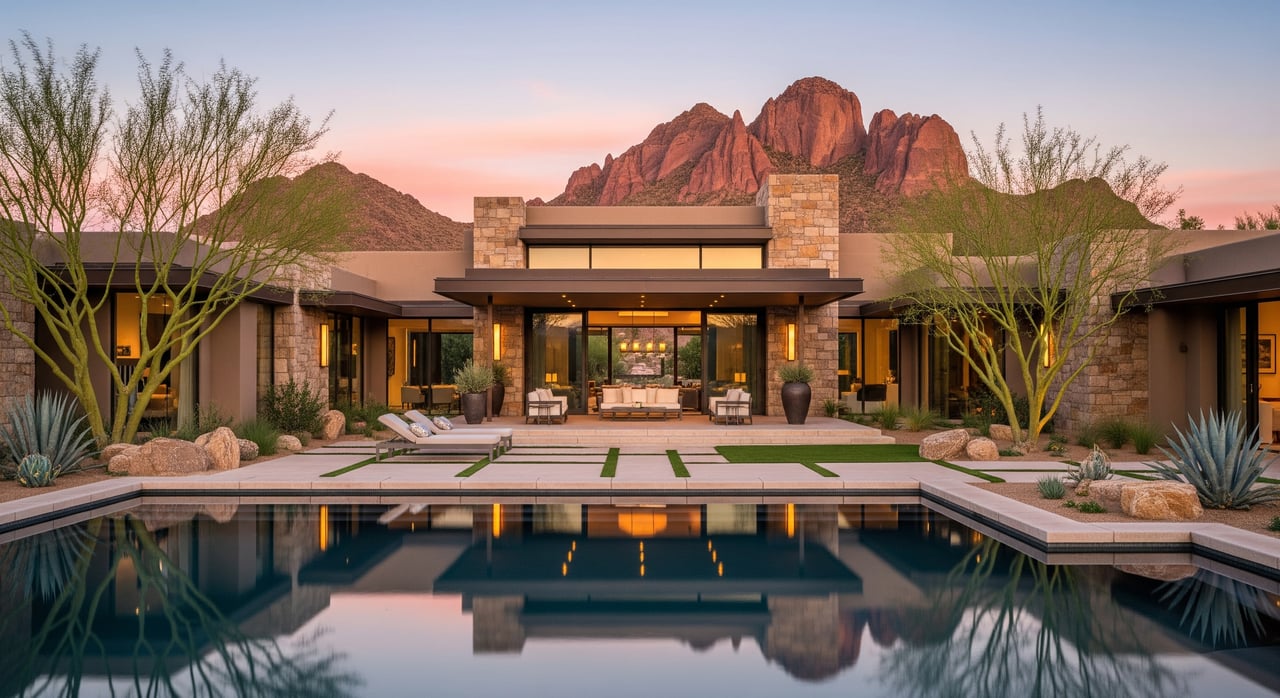
Is there a “perfect” month to list your Paradise Valley home? If you time it right, you can catch peak buyer activity and stronger offers. If you miss the window, you might face slower traffic and more days on market. You want clarity, not guesswork.
In this guide, you’ll learn the best seasonal windows for Paradise Valley, the data to check before you pick a date, and a practical 8–12 week prep plan. You’ll also see strategies for luxury estates and other property types, plus tips to make your home shine in every season. Let’s dive in.
Best listing months in Paradise Valley
Paradise Valley follows Phoenix-area seasonality with some luxury-market twists. Two windows usually deliver the most buyer activity:
- Late winter into early spring: December to March often brings strong luxury traffic due to winter visitors and snowbirds.
- Spring peak: February to April tends to be robust, with a secondary push into May.
Summer is typically slower because of heat, and late fall through the holidays is quieter overall. That said, motivated luxury buyers can be active year-round, especially during winter events and travel season. The key is to pair seasonal timing with real-time market indicators before you pick your date.
Why Paradise Valley timing is unique
Snowbird effect
Paradise Valley attracts winter visitors from colder climates. Many are affluent and schedule home tours while they are in town. Listing during late December through March helps you capture that concentrated buyer presence.
Heat and summer slowdown
June through August heat reduces in-person touring and curb appeal drives. Serious buyers still transact, especially with strong digital marketing and virtual tours, but you should expect slower showing volumes on average.
Holidays and discreet luxury activity
From Thanksgiving through late December, many sellers and buyers step back. Inventory can thin, and traffic drops. Some luxury sellers use this period for quiet, targeted exposure to a smaller pool of motivated buyers, but broad-market visibility is lower.
Phoenix-area spring momentum
Like many Sun Belt metros, the Phoenix region sees a strong spring market. Nicer weather, better curb appeal, and the lead-up to summer moves combine to lift activity from late winter through spring.
Check these market signals before you choose a date
Seasonality is a guide, not a rule. Confirm the setup with current, hyperlocal data.
- Months of inventory (MOI): Under about 4 months typically favors sellers. Over 6 often favors buyers. If MOI is low, listing sooner can make sense, even if you are not in a seasonal peak.
- Median days on market (DOM): Falling or low DOM signals strong demand. Rising DOM suggests buyers have more leverage, so seasonality may matter more.
- List-to-sale price ratio: Ratios near or above 100 percent point to pricing power. Softer ratios indicate you may need sharper pricing or more prep time.
- Inventory trends: If new listings are spiking, competition is increasing. If active inventory is thinning, you can benefit by listing earlier to capture scarcity.
- Interest rate backdrop: Lower or easing rates can boost buyer activity. Rising rates can cool demand, so timing around rate shifts matters.
- Local comps and active luxury inventory: For Paradise Valley estates, study competing properties by lot size, views, architecture, and level of finish. Note whether buyers are favoring turnkey or renovation opportunities.
Timing strategies by property and seller profile
Luxury estates and high-net-worth sellers
- Best windows: Late December through March to leverage winter visitors, plus the broader February to April spring market.
- Flexibility: High-end buyers are often less tied to school-year calendars and can be active throughout winter and spring.
- Discretion: If privacy is a priority, a quiet or off-market approach during lower-traffic holiday periods can target serious buyers without the noise.
- Prep time: Budget 8–12 weeks for staging, landscaping, inspections, and premium photography, including twilight and aerial.
Typical single-family homes
- Best windows: Late February to April aligns with spring demand and helps buyers plan for early summer moves.
- School-year timing: Many buyers with school-aged children prefer spring into early summer closings to move during break.
- Practical focus: Prioritize move-in readiness, clean inspections, and clear pricing to shorten DOM.
Vacant or investor-owned homes
- Summer cautions: If you must list in June through August, lean on professional visuals and virtual tours to reach out-of-state buyers.
- Showability: Keep utilities on and the home conditioned for comfort. Consider offering flexible showing windows to capture serious interest quickly.
New construction
- Timeline driven: Construction schedules and inventory release dates often set the timing. Spring still provides strong buyer appetite if delivery aligns.
Your 8–12 week seller timeline
A clear prep plan elevates your price and reduces time on market, especially in a luxury segment where presentation matters.
8–12 weeks before listing
- Engage your listing agent for a comparative market analysis and strategy.
- Order pre-listing inspections for roof, HVAC, pool equipment, and major systems to avoid surprises.
- Refresh landscaping, check irrigation, prune trees, and clean hardscape. Desert-friendly, tidy grounds are a must.
- Plan staging: furniture updates, decluttering, paint touch-ups, and minor repairs.
4–6 weeks before listing
- Schedule professional photography inside and out. Include twilight and aerial for mountain views, large lots, and outdoor living spaces.
- Create floor plans and a high-quality virtual tour to capture remote buyers.
- Prepare disclosures and complete listing documents.
- Confirm pricing strategy based on current comps and inventory.
1–2 weeks before listing
- Soft launch to targeted buyer lists or brokers if you want early buzz.
- Finalize syndication and showing instructions. Align open house or private showing plans with expected buyer travel schedules.
Listing week
- Go live with polished visuals and concise, benefits-first copy.
- Monitor showing feedback daily. Adjust showing windows to accommodate winter visitors or out-of-state schedules.
- Track early data on views, saves, and tours to validate pricing.
Seasonal presentation tips
Winter listings
- Water and green up landscaping for a lush look that contrasts with the season.
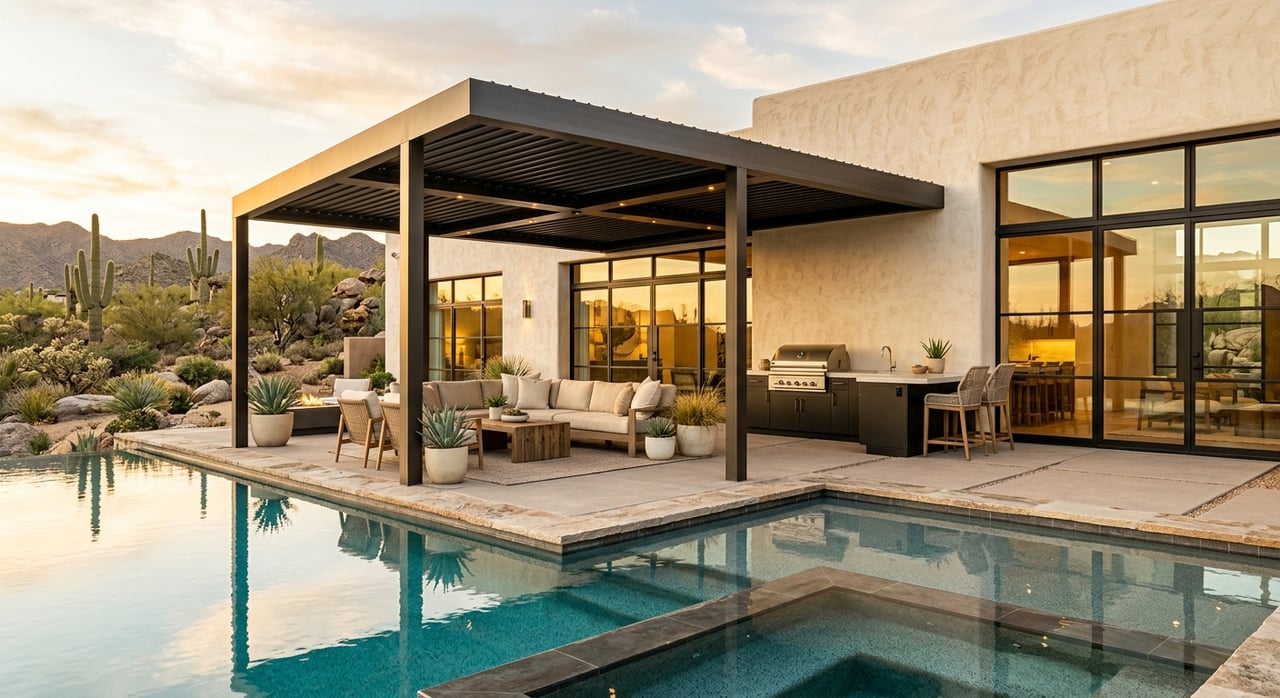
- Showcase pool and spa readiness, outdoor heaters, and cozy entertaining areas.
- Shoot photos on clear days to highlight views and natural light.
Spring listings
- Feature blooming desert plants and clean outdoor dining spaces.
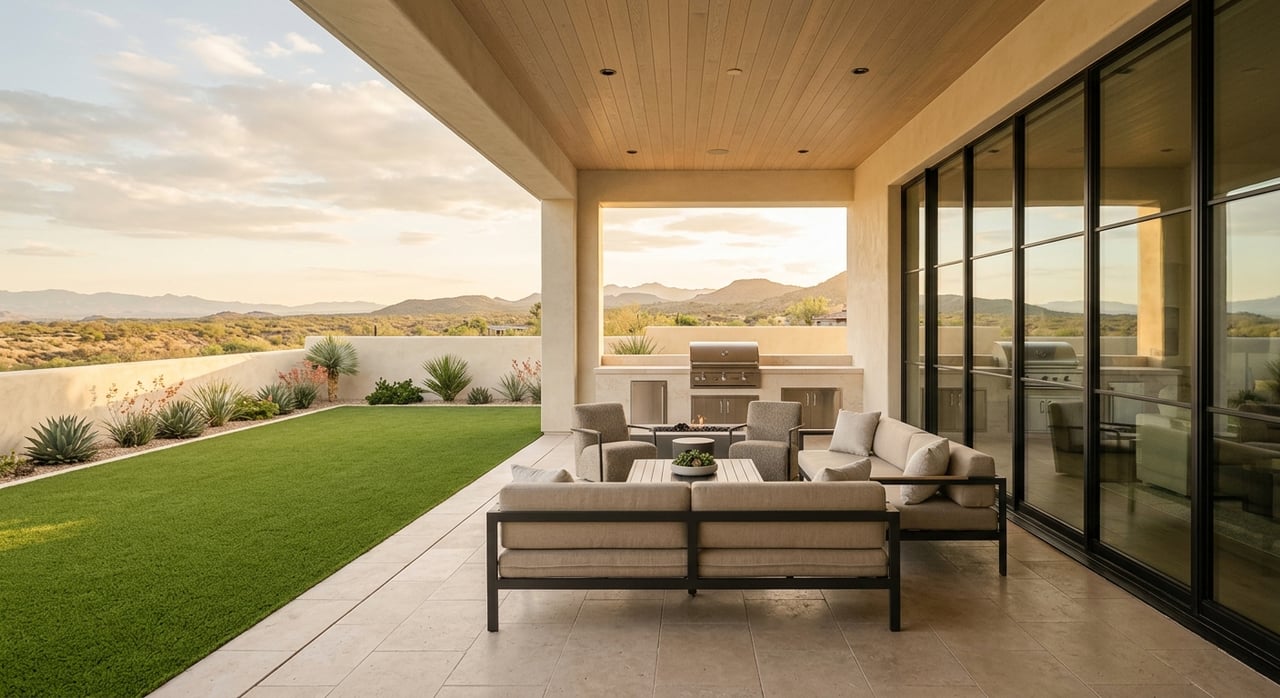
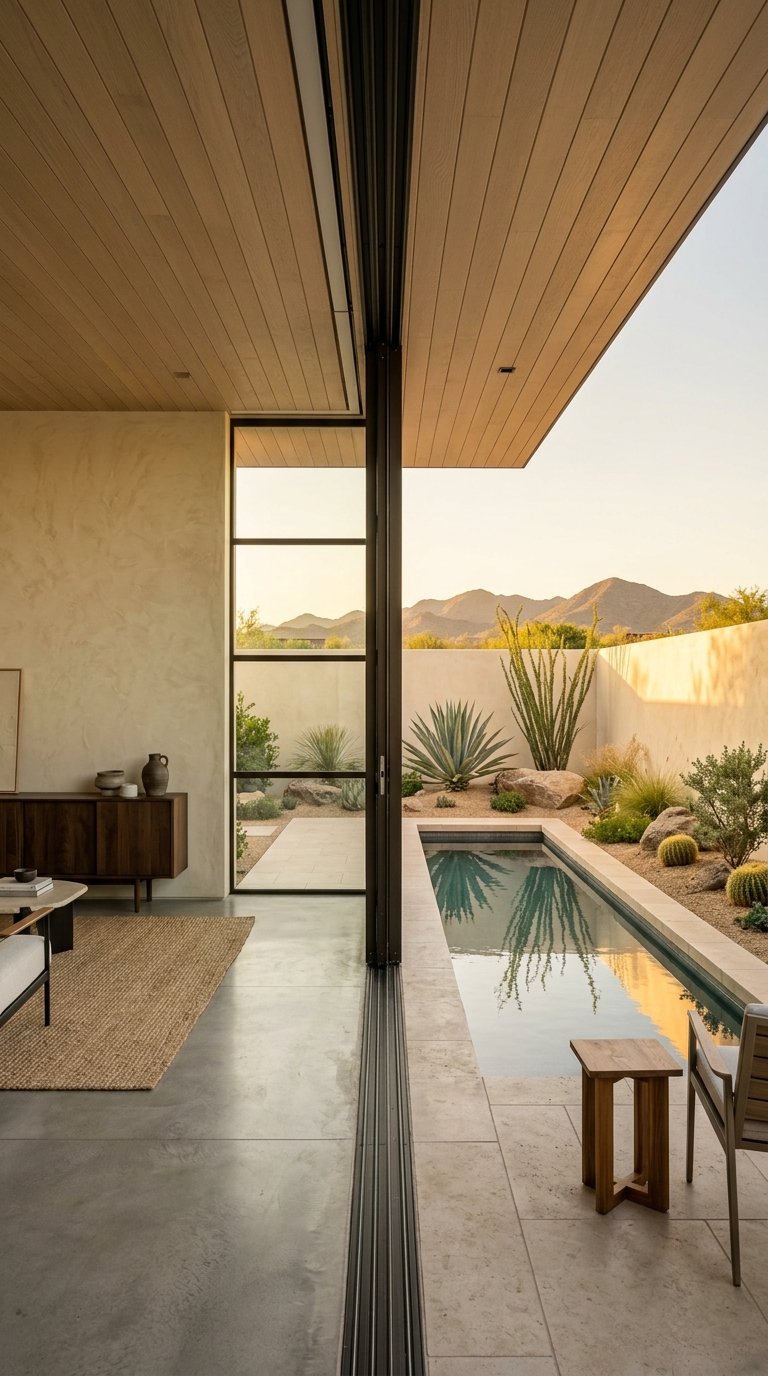
- Emphasize indoor-outdoor flow with wide-open sliders and staged patios.
- Schedule photos when temperatures are comfortable and skies are crisp.
Summer listings
- Highlight shade structures, misting systems, and energy-efficient features.
- Keep interiors cool, bright, and staged with light textures.
- Promote pool features that make heat an advantage, not a concern.
Trade-offs to weigh
- Immediate market strength vs. seasonal peak: If MOI is low and demand is strong, listing now may beat waiting for a “perfect” month. If demand is soft, timing for winter-spring can help.
- Maximum exposure vs. privacy: Peak seasons bring more traffic and potential competition. Off-peak periods can mean fewer showings but more serious buyers.
- Carrying time and risk: Delaying a listing adds taxes, HOA, maintenance, and the risk of rate or inventory shifts. Balance costs against potential seasonal upside.
- Calendar and tax planning: Year-end listing affects when proceeds fall for tax purposes. Consult your tax professional for guidance specific to your situation.
Example timing scenarios
- Luxury estate with mountain views: Aim for a launch between late December and March to capture winter visitors, with a full 10–12 week prep timeline for high-end staging and twilight aerials.
- Family-oriented single-family home: List in late February through April to target spring buyers and early summer closings. Focus on move-in readiness and clean inspections.
- Investor-owned vacant home in summer: If you cannot wait, maximize virtual marketing, price precisely against comps, and keep the home cool and easy to show for serious out-of-state buyers.
How to choose your date with confidence
Start with your ideal window based on your property type. Cross-check market indicators like MOI, DOM, and list-to-sale price ratios for Paradise Valley. Weigh your preparation needs, privacy preferences, and carrying costs. Then set a date and commit to a polished, data-backed launch.
If you want a professional read on Paradise Valley’s current timing, pricing, and prep strategy, our family-led team is here to help. We combine concierge-level service with sophisticated marketing that meets luxury buyers where they are. To start a tailored plan for your home, connect with The Hoods Real Estate Team.
FAQs
What months are best to list in Paradise Valley?
- Late December to March and February to April are typically strongest, thanks to winter visitors and broader spring demand. Always confirm with current MOI and DOM.
Is summer a bad time to sell in Paradise Valley?
- Summer is slower due to heat, but serious buyers still transact. Strong visuals and virtual tours help, and pricing should reflect current inventory and DOM.
How far in advance should I prepare my home?
- Plan 8–12 weeks for luxury estates and at least 6–8 weeks for most homes to complete inspections, staging, landscaping, and premium photography.
Which market metrics matter most before listing?
- Focus on months of inventory, median days on market, list-to-sale price ratios, and active competing listings. Low MOI and falling inventory favor listing sooner.
Do holidays ever work for luxury listings?
- Yes, some motivated luxury buyers shop during the holidays. Overall traffic is lighter, so a discreet, targeted strategy can be effective if privacy is key.
Should I time my listing around local events?
- It can help. Winter brings high-attendance events that draw affluent visitors. Coordinate with your agent to align launch timing and private showings accordingly.