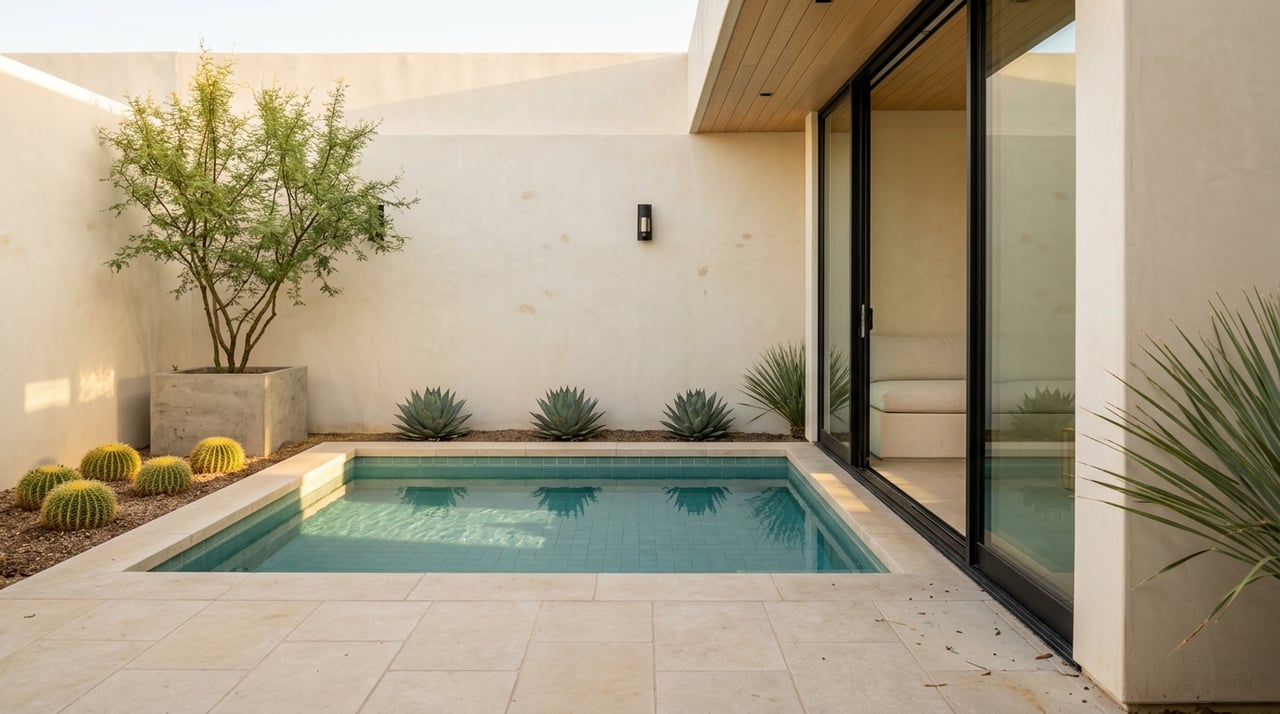
A hotel can work for a weekend. But if you find yourself returning to Phoenix again and again for sunshine, work, events, or a seasonal reset, owning a place of your own can feel like a smarter fit. A pied-à-terre offers consistency, privacy, and a simple home base you can lock up between visits. If you are wondering why this kind of property appeals to so many desert travelers, here is what makes Phoenix especially well suited to the idea. Let’s dive in.
What a Phoenix pied-à-terre means
A pied-à-terre is a secondary residence that you use part-time rather than as your primary home. In practice, it is often a smaller condo, apartment, or townhome in a convenient location.
In Phoenix, that setup makes a lot of sense. You get a familiar place to return to for winter stays, repeat business trips, or quick leisure visits without starting over each time with hotel bookings or vacation rental availability.
Why Phoenix fits the lifestyle
Phoenix has the kind of climate that draws repeat visitors. According to NOAA climate normals for Phoenix Sky Harbor, the city has an annual mean temperature of 75.6°F and just 7.22 inches of annual precipitation.
Winter is a big part of the appeal. Average January temperatures at Sky Harbor are 67.6°F for highs and 46.0°F for lows, which helps explain why so many travelers like to return during cooler months.
At the same time, Phoenix is a place where heat planning matters. July averages at Sky Harbor reach 106.5°F for highs and 84.5°F for lows, and the city has a Heat Response and Mitigation Office. If you are buying a second home here, low-maintenance living and practical lock-and-leave features become especially important.
Easy access makes repeat trips simple
A pied-à-terre works best when getting in and out feels easy. Phoenix benefits from that kind of connectivity.
Phoenix Sky Harbor says it serves 24 airlines and more than 140 nonstop destinations, including 23 international destinations. For a second-home owner, that kind of air access supports short stays, spontaneous trips, and a property you can use multiple times a year.
Once you are here, many of Phoenix’s key destinations are close at hand. Visit Phoenix notes that Papago Park is minutes from downtown and the airport, while Camelback Mountain is about 20 minutes from downtown.
Why buyers choose it over hotels
For frequent travelers, the appeal is often less about novelty and more about ease. A pied-à-terre gives you the same address, the same furnishings, the same parking setup, and the same sense of arrival every time you return.
That consistency can feel very different from checking into a hotel or trying to secure a short-term rental during a busy season. Instead of packing around temporary stays, you have a place that is already set up for the way you live.
Privacy also matters. A compact personal residence can offer a quieter, more settled experience than a hotel environment, especially if you are staying for more than a few days at a time.
Best Phoenix areas for a pied-à-terre
Not every part of Phoenix suits this lifestyle equally well. In general, the strongest fit tends to be compact, low-maintenance homes in centrally located areas with access to dining, culture, and transportation.
Downtown Phoenix
Downtown Phoenix is one of the clearest pied-à-terre locations in the city. Visit Phoenix describes it as a walkable core where culture, commerce, and college life converge, and notes that no car is required thanks to Valley Metro Rail.
The area also offers a wide mix of amenities for repeat visitors. Visit Phoenix highlights sports, live music, museums, rooftop lounges, and more than 200 restaurants in the district.
Roosevelt Row
Roosevelt Row is often part of the conversation because of its central location and connection to the downtown core. For buyers who want an urban base with quick access to arts, dining, and transit-connected areas, it stands out as a natural option.
For many second-home buyers, this kind of neighborhood supports the lock-and-leave lifestyle well. You can arrive, settle in quickly, and enjoy the city without needing a large property to maintain.
Arcadia
Arcadia offers a different version of the Phoenix pied-à-terre. Visit Phoenix describes it as sitting between Camelback Mountain and the Salt River and notes its leafy streets and local dining scene.
For buyers who want a home base with a more residential feel but still want access to major destinations, Arcadia can be especially appealing. It blends convenience with a sense of place that many repeat visitors value.
Biltmore
Biltmore is another strong fit, particularly for buyers drawn to an east-central Phoenix setting with a polished feel. Visit Phoenix frames Biltmore as an upscale district with resort energy and high-rise surroundings.
That profile lines up well with what many pied-à-terre buyers want. It offers a refined, low-maintenance style of ownership in a well-located part of the city.
What property types make the most sense
Phoenix’s planning framework supports a mix of housing types in core areas. The city’s urban-village model emphasizes balancing housing and jobs, focusing growth in village cores, and preserving a variety of housing opportunities.
Reinvent PHX also adds a transit-oriented model along the light rail system. In practical terms, that makes condos, townhomes, and other smaller residences in central, connected locations the most natural pied-à-terre candidates.
For many buyers, the best match is a home that is simple to secure and easy to maintain when unoccupied. That often means prioritizing building access, manageable square footage, parking, and straightforward upkeep.
Ownership details to review carefully
Before buying, it helps to think beyond the floor plan. A pied-à-terre should fit not just your style, but also your intended use.
If you are considering a condo or another HOA property, reviewing the governing documents is essential. Due diligence guidance referenced in the research report recommends paying close attention to CC&Rs, especially in condo and HOA communities.
You will also want to look closely at:
- HOA rules and use restrictions
- Parking arrangements
- Guest access policies
- Insurance needs
- Furnishing plans
- Ongoing maintenance obligations
These details can shape how convenient the property feels over time. A beautiful unit in the wrong building can be less practical than a slightly simpler home that is easier to manage between visits.
Personal use versus rental use
Many buyers think about flexibility, especially if they may not use the property year-round. In Phoenix, that means understanding the difference between personal second-home ownership and short-term rental activity.
The city requires a short-term rental permit, charges a $250 initial and renewal fee, requires the permit number on advertisements, and requires notice to adjacent properties and HOAs or neighborhood associations within 600 feet. Phoenix changed from registration to permitting in November 2023.
The city also distinguishes vacation rentals from longer leases. Under the city ordinance, a vacation rental does not include a residential lease term of 31 days or longer.
For many desert travelers, that reinforces the core appeal of a pied-à-terre. It is typically less about operating a nightly rental and more about having a dependable personal-use home base in the Valley.
Why the long-term outlook still matters
A pied-à-terre is first a lifestyle purchase, but the larger city context still matters. Phoenix’s Housing Phoenix Plan says the city is working to create or preserve 50,000 homes by 2030 in response to a housing shortage.
Alongside that, the urban-village approach continues to steer growth toward mixed-use cores and infrastructure-supported areas. That does not guarantee appreciation, but it does suggest continued attention and reinvestment in central Phoenix locations.
If you are buying with a long view, it helps to focus on fundamentals. Location, building quality, HOA structure, maintenance costs, and the depth of demand in a specific submarket all deserve close review.
Why it resonates with desert travelers
At its best, a Phoenix pied-à-terre is simple, useful, and enjoyable. It gives you a place to land in a city known for warm winters, strong air access, and easy reach to outdoor destinations and urban amenities.
For the right buyer, that can be more appealing than cycling through hotels or trying to time vacation rentals. You get comfort, familiarity, and a low-maintenance way to enjoy Phoenix on your own terms.
If you are considering a second home in Phoenix, Arcadia, or nearby Valley neighborhoods, The Hoods Real Estate Team offers the high-touch local guidance and concierge-style support that can make your search feel clear, efficient, and tailored to how you actually plan to use the property.
FAQs
What is a pied-à-terre in Phoenix real estate?
- A pied-à-terre in Phoenix real estate is a secondary home, often a compact condo or townhome, used intermittently for seasonal stays, business trips, or repeat visits rather than as a primary residence.
Why does Phoenix appeal to second-home travelers?
- Phoenix appeals to second-home travelers because of its warm climate, limited annual rainfall, strong flight connectivity through Sky Harbor, and access to central dining, culture, and outdoor destinations.
Which Phoenix neighborhoods fit a pied-à-terre lifestyle best?
- Downtown Phoenix, Roosevelt Row, Arcadia, and Biltmore are among the clearest fits because they combine central location, amenities, and practical access to major destinations.
What property types are common for a Phoenix pied-à-terre?
- Condos, townhomes, and other smaller low-maintenance residences are the most common fit, especially in central or transit-connected areas.
Can you rent out a Phoenix pied-à-terre short term?
- You may be able to, but only if the property complies with Phoenix short-term rental permit rules and any applicable HOA restrictions.
What should buyers review before purchasing a Phoenix pied-à-terre?
- Buyers should review HOA rules, CC&Rs, parking, guest policies, insurance needs, furnishing plans, and maintenance responsibilities before moving forward.