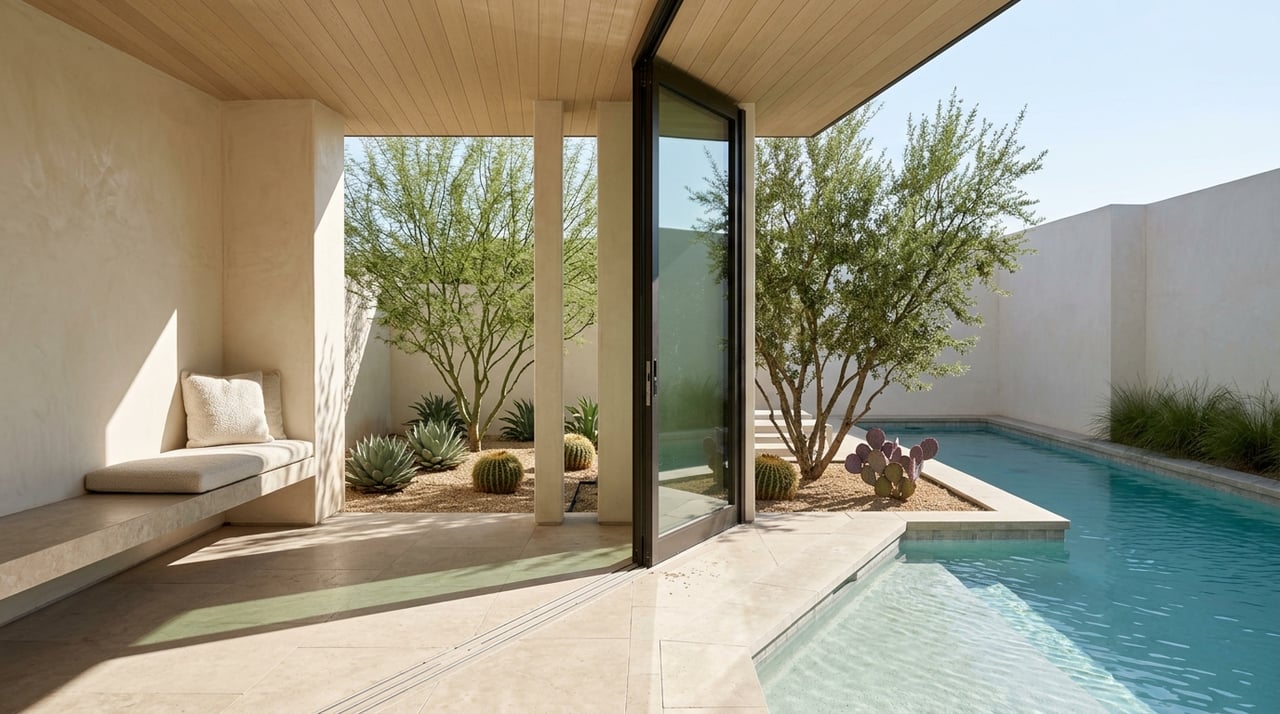
What does an ordinary Tuesday look like when your backyard frames Camelback Mountain and your morning coffee is on a shaded terrace? If you are drawn to privacy and desert views but want resort comforts close at hand, Paradise Valley may be your pace. In this guide, you will see how daily life flows in the town’s luxury enclaves, why homes feel like private resorts, and what practical details shape routines, prices, and fit. Let’s dive in.
Morning rhythms: hikes, golf, calm starts
Start early. Many residents head out for a sunrise hike on Camelback or Mummy Mountain, then return for breakfast by the pool or a quick club workout. If golf is your lane, tee times and private lessons are part of the weekday routine at private and resort courses nearby. A calm commute or a home office day often follows; the town’s mean travel time to work is about 22 minutes, which reflects easy access to Phoenix and Scottsdale as well as remote work patterns. U.S. Census QuickFacts lists the travel-time figure along with other local stats.
Why homes feel like private resorts
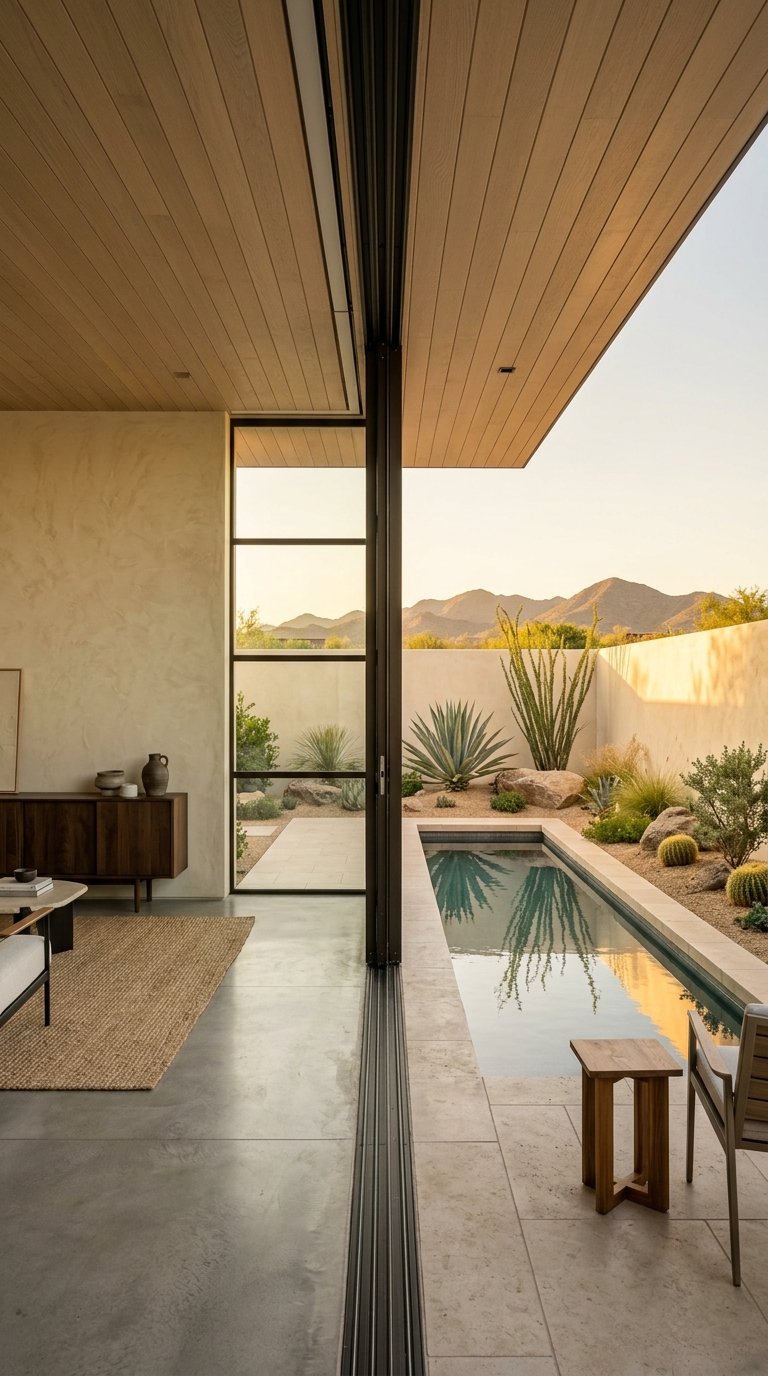
Paradise Valley was planned to protect a low-density, residential character. The zoning framework includes districts such as R-43, which requires one-acre minimum lots in large parts of town. That rule, along with hillside and cluster planning, creates estate-scale properties with room for pools, casitas, sport courts, and broad view corridors. You can review the lot-size standards and related allowances in the Town’s zoning ordinance.
Signature enclaves you will hear about
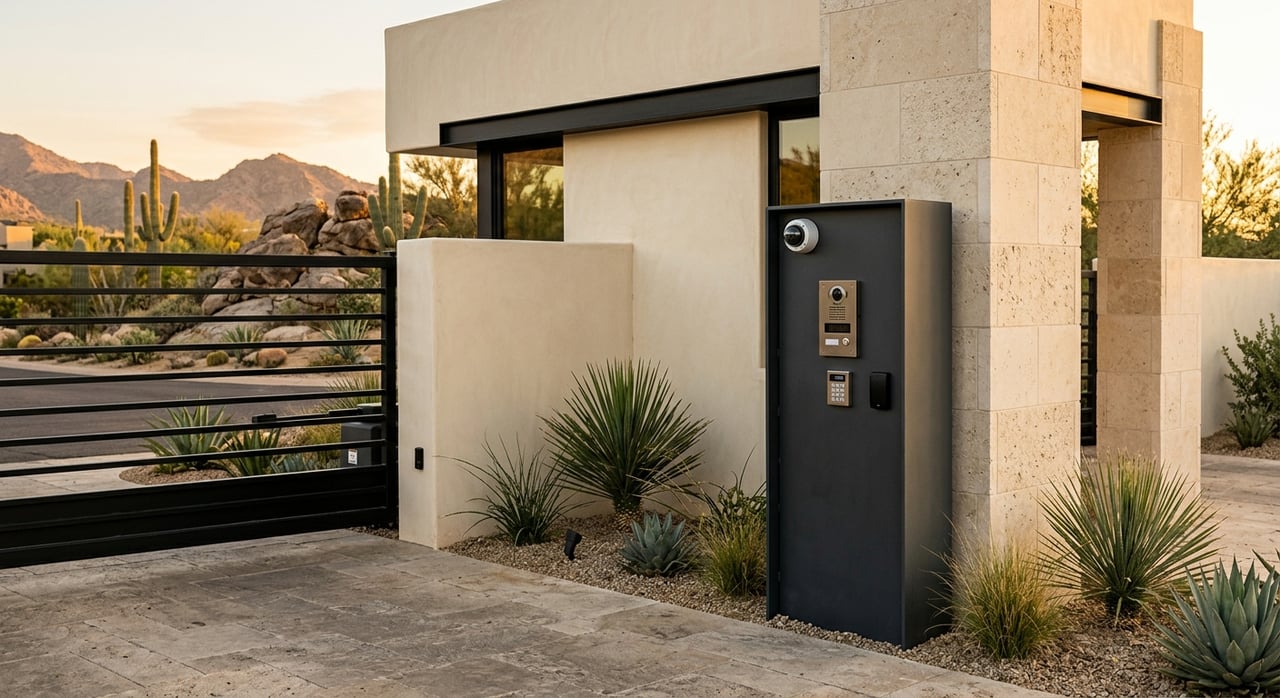
You will see certain neighborhood names appear in listings and conversations. Examples include Clearwater Hills (a guard-gated hillside enclave), Camelback Country Club and the course-side estates around it, Mountain Shadows Estates near the resort, and the Paradise Valley Country Club area. Some are gated subdivisions, others are golf or resort-adjacent pockets, and some are small ridge or slope clusters of custom homes. Boundaries and HOA details vary by property, so ask for current maps and on-the-ground context when you tour.
Resorts and spas within minutes
Resort access is part of everyday life here. Residents book spa days, meet for dinner, or host events at properties within town. Popular choices include Sanctuary Camelback Mountain, Mountain Shadows Resort, and the Omni Scottsdale Resort & Spa at Montelucia. These spots add practical comforts to quiet residential blocks, from day-use spa appointments to chef-driven dining.
Golf and club culture
Private-club life is a common thread. Paradise Valley Country Club offers golf, tennis, fitness, and dining in a classic desert setting. Nearby resort courses round out the options. The Camelback Golf Club provides two resort layouts and a full practice complex for lessons and family play; see a snapshot of the facility at Camelback Golf Club.
Outdoor living from morning to sunset
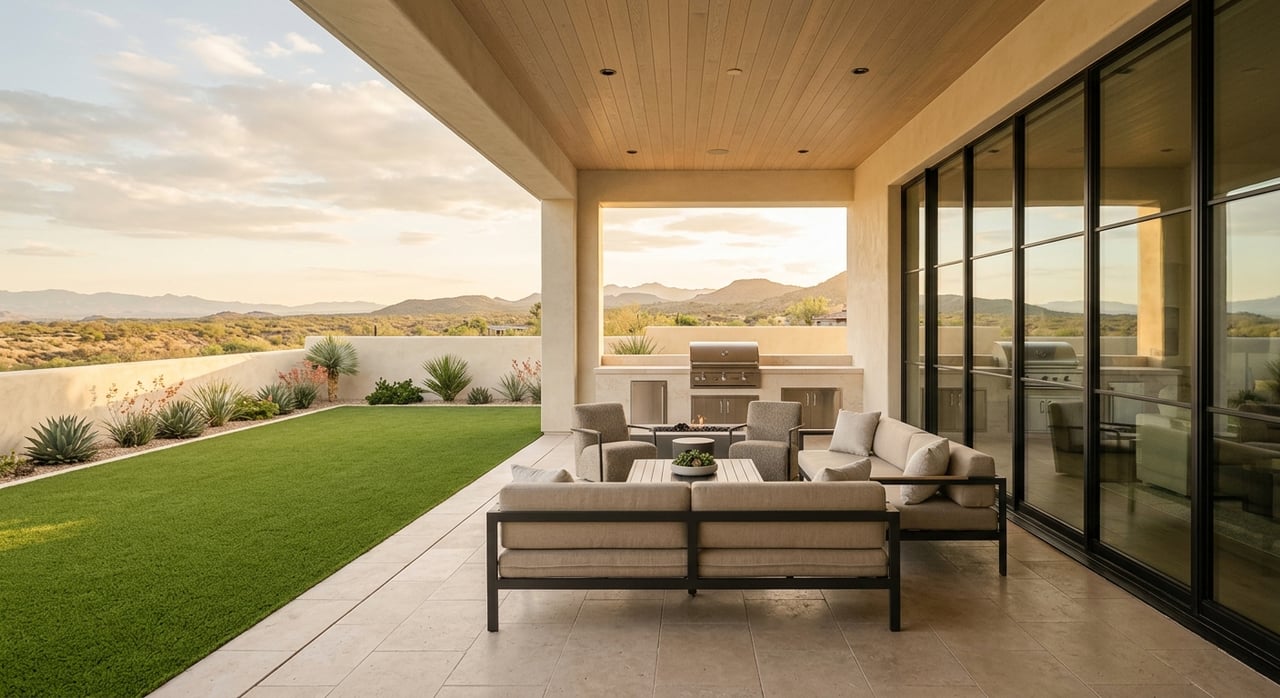
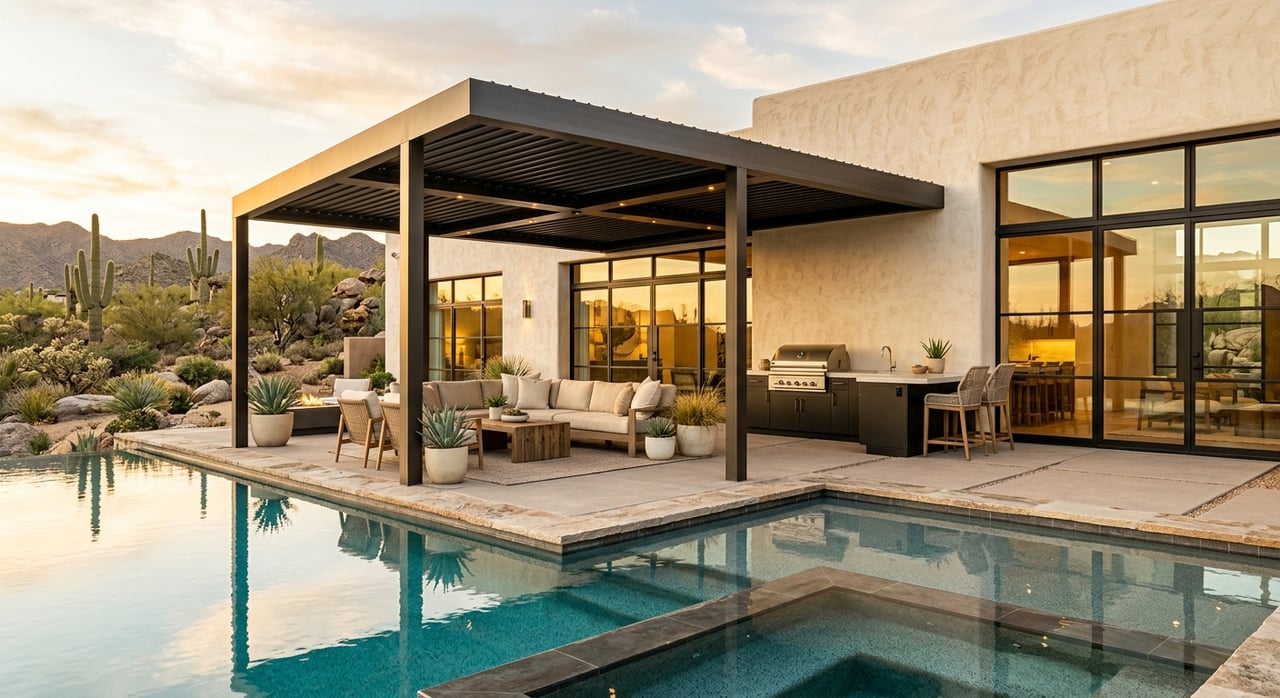
The mountains shape daily rhythms. Early hikes or quiet neighborhood walks start the day. Midday brings pool time, private workouts, or a quick trip to a resort spa or club lunch. Afternoons settle into long shade, golden light, and mountain-view sunsets. Backyards are designed for it, with outdoor kitchens, fire features, and desert-friendly planting that make evening alfresco time a year-round habit.
Daily conveniences and the town’s pace
Paradise Valley keeps commercial areas limited by design, which preserves a quiet, residential feel. The Town’s planning materials emphasize very limited commercial retail and the role of resorts in local life. That means you usually drive a short distance to neighboring Scottsdale or Phoenix for groceries, boutique retail, or larger medical centers. For context on the town’s land-use choices, review the community profile in the Strategic Plan.
Market snapshot and what to expect
This is a luxury market with estate-scale lots and a small number of monthly closings, so snapshots can swing. As of Jan 2026, Zillow’s typical home value for Paradise Valley was about $3.3 million. Month-to-month medians vary because a few very large sales can shift the data quickly, which is normal for a low-turnover, high-end town. On the demographic side, U.S. Census QuickFacts estimates show about 12.5k residents and a median household income near $236,250, which aligns with the multi-million-dollar estate profile.
Who it fits and who it does not
Paradise Valley is a strong fit if you want privacy, wide setbacks, and mountain views, with resort and club access close by. It suits buyers who value quiet streets, estate footprints, and a residential rhythm without a heavy retail scene. If you want walkable nightlife, frequent street-level dining, or dense mixed-use blocks, you may prefer specific areas of Scottsdale or central Phoenix. The town’s policies intentionally protect a low-density, low-commercial environment, so it is best for those who want a retreat-like setting.
How we help you buy or sell here
You deserve a calm, well-managed experience in a market where details matter. Our family-led team pairs neighborhood-level guidance with a concierge approach to showings, data, and marketing. Whether you are relocating, buying a second home, or preparing to sell, we tailor the plan to your goals and timeline. When you are ready, connect with The Hoods Real Estate Team for a private consult and a curated next step.
FAQs
What makes Paradise Valley lots feel estate-scale?
- Large-lot zoning such as R-43 sets one-acre minimums in many areas, which creates widely spaced homes and room for pools, casitas, and full outdoor programs. See the Town’s zoning ordinance for details.
Are resort-style services available without leaving Paradise Valley?
- Yes. Residents often book spa days and dining at nearby properties like Sanctuary Camelback Mountain, Mountain Shadows, and the Omni Montelucia.
How does everyday pace in Paradise Valley compare to Scottsdale?
- Paradise Valley is quieter and more residential with limited commercial retail by design, while parts of Scottsdale offer denser, walkable dining and nightlife; see the Town’s Strategic Plan for context.
What do market prices look like in Paradise Valley right now?
- It is a luxury market with multi-million-dollar values; as of Jan 2026, Zillow’s typical home value was about $3.3 million, and monthly medians can swing due to a small number of high-end closings.
Where do residents handle everyday errands and appointments?
- Most people drive to nearby Scottsdale or Phoenix for groceries, retail, and large medical centers, while in-town resorts and a few clinics cover select needs; the Town notes limited commercial retail in its community profile.