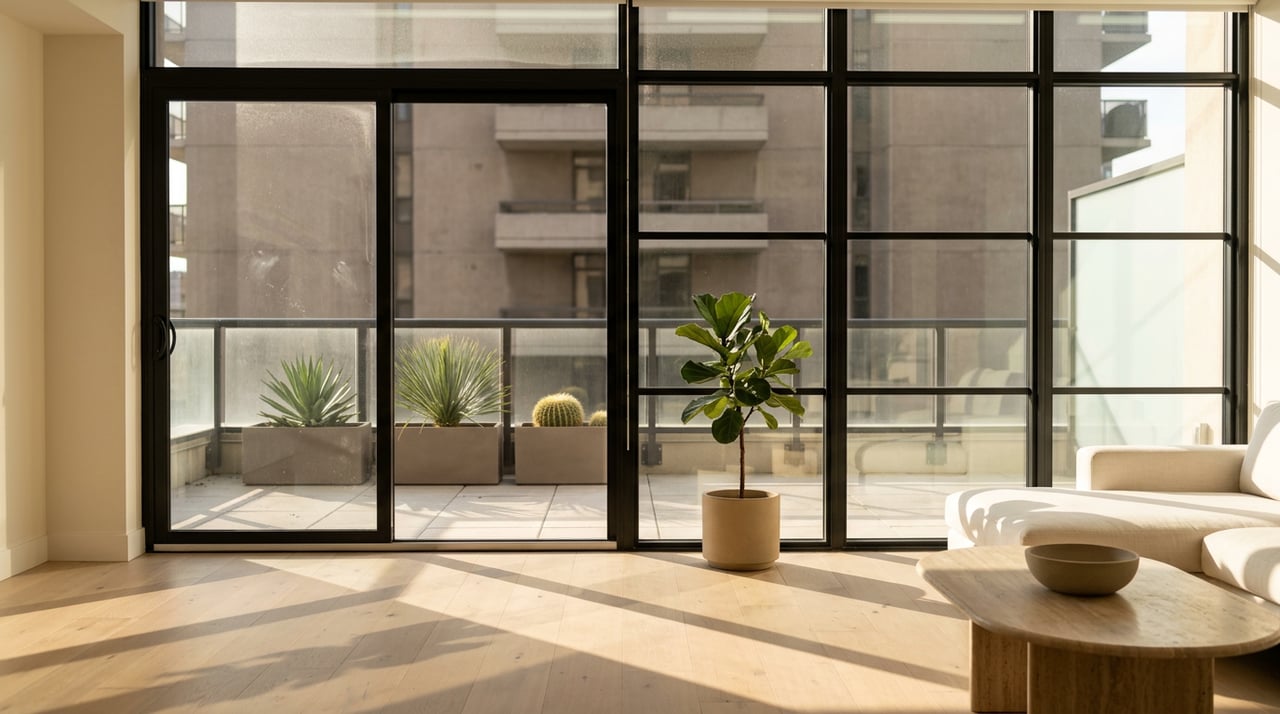
Is a skyline view, rooftop pool, and walk-to-dinner lifestyle calling your name? If you want luxury with less maintenance, Phoenix’s urban core offers a refined, lock and leave way to live without the sprawl. You may be weighing downtown energy against suburban space, or comparing Phoenix to Scottsdale and wondering what truly sets them apart. In this guide, you’ll learn where the best luxury urban homes cluster, how transit and amenities shape daily life, the real costs and financing details to know, and smart steps to buy with confidence. Let’s dive in.
Why choose Phoenix for urban luxury
Phoenix remains one of the nation’s fastest-growing cities, with more than 1.6 million residents, which supports demand for luxury condo living in the urban core. You get a lively arts and dining scene, proximity to major employers, and a newer wave of mid and high-rise buildings that bring amenities you expect in a top-tier city. Compared with many resort-heavy suburbs, Phoenix’s urban luxury often delivers strong finishes and services at a wider range of price points.
City-level medians help frame the landscape. Recent reporting shows Phoenix’s median sale price in the low-to-mid $400,000s, while Scottsdale trends much higher in the high $800,000s to $900,000s. These broad figures highlight why downtown and midtown Phoenix can deliver a luxury urban experience at a relative value compared with Scottsdale’s traditional single-family and resort enclaves.
For a deeper sense of location, start with the city’s scale and growth trends using official sources like the U.S. Census. The latest QuickFacts confirm Phoenix’s size and momentum, which is a practical backdrop for buying decisions. You can review those details in the U.S. Census QuickFacts for Phoenix city, Arizona.
- Explore population and growth context in the U.S. Census QuickFacts for Phoenix city, Arizona: Phoenix QuickFacts
Where luxury urban living clusters
Phoenix’s urban luxury is concentrated in a few connected districts along the Central Corridor. Each offers a unique feel, building style, and access pattern. Here is where to focus your search.
Downtown and Roosevelt Row
If you want walkable art, food, and event energy, Downtown and Roosevelt Row are your core choices. You’ll find galleries, First Fridays, and a full slate of restaurants and rooftop venues within a few city blocks. Game nights and concerts are part of the rhythm, thanks to the downtown ballpark and arena area.
High-rise and boutique-luxury condo buildings define the product mix. Buildings like Portland Place offer premium finishes and a coveted park-side setting in the arts district. You can explore an overview of the building and its amenities here: Portland Place building profile. Another recognizable downtown tower that illustrates urban luxury is 44 Monroe, known for skyline views and high-rise services. Learn more from a local building page: 44 Monroe overview.
Midtown, Biltmore, and Camelback Corridor
If you want a slightly quieter urban feel with quick access to dining, business nodes, and resort retail, look at Midtown and the Biltmore area along Camelback. Expect a mix of established high-rises and newer premium buildings with generous floor plans and strong amenity sets. Many homes here trade on skyline and mountain views along with easy access to golf, shopping, and central Phoenix offices.
Uptown, Encanto, and Museum Corridor
For a cultural, tree-lined urban vibe, consider pockets near the Phoenix Art Museum, Heard Museum, and Encanto Park. You will find boutique buildings, renovated properties, and quiet blocks with transit access that move you quickly into the heart of downtown. To get a feel for the arts anchors that shape this corridor, browse the Phoenix Art Museum.
Lifestyle, access, and daily convenience
One of the biggest wins of Phoenix’s urban core is movement. You can rely less on the car, especially in the most walkable districts, and lean on light rail for quick connections. The city increased light-rail frequency with a service enhancement that began June 7, 2025, which makes downtown trips feel simpler at all hours. You can see the city’s service update here: Phoenix light rail service improvements.
Airport access is another advantage. Sky Harbor International Airport sits only a few miles from downtown, which matters if you travel often or keep a seasonal residence. Visit Phoenix offers a helpful overview of downtown transportation and airport proximity: Downtown transportation and airport access.
Dining and culture round out the everyday experience. The Central Corridor gives you gallery nights, museums, and a full mix of restaurants without a long drive. That blend of art, sports, and food is a big reason many buyers choose a lock and leave condo over a larger, maintenance-heavy home.
How this differs from Scottsdale
Scottsdale is known for resort communities, golf, and low-density luxury. Phoenix’s urban core leans into vertical living, cultural access, and transit. If you want a high-rise with concierge-style amenities and walkable nightlife, Phoenix is typically the better fit. If you prefer privacy, fairway views, and a detached home with more space, Scottsdale offers depth in that category.
Price patterns reflect these lifestyles. City medians show Scottsdale’s typical sale price well above Phoenix. That gap supports the idea that you can capture urban luxury and amenities in Phoenix at varied price points, while Scottsdale’s luxury often commands a premium for lot size, resort adjacency, and lower density.
If rental flexibility is part of your plan, be mindful of local rules. Scottsdale enforces short-term rental licensing and notifications, and HOA rules can be more restrictive than city standards. Get an overview here: Scottsdale short-term rental rules and licensing. Arizona law also limits how cities regulate short-term rentals, so always confirm building-level rules before you buy.
Ownership costs and real-life planning
Urban luxury is about convenience and services. It is also about understanding monthly costs and seasonal realities so there are no surprises.
HOA fees and what they cover
HOA dues vary by building, size, and amenity level. In central Phoenix, many condo HOAs fall in the mid-hundreds per month, and resort-grade or concierge buildings can sit higher. Always confirm what your dues include. Items to look for include water, trash, cable or internet, common-area heating and cooling, building insurance, and whether reserves are adequately funded.
Utilities, AC, and summer planning
Phoenix summers are hot. Normal summer highs are often above 100°F, which drives air-conditioning usage and power bills. Efficient HVAC systems, modern windows, and good insulation can soften the impact. For climate context, review official temperature normals from the National Weather Service: Phoenix climate normals.
Parking, storage, and valet
Square footage and amenity trade-offs are part of urban living. Clarify whether your unit includes deeded or assigned parking, if a storage locker transfers, and whether valet or extra stalls carry monthly fees. In some buildings, premium stalls or EV-ready spaces are sold or leased separately. These details add up, especially if you keep a second car or travel with gear.
Financing and project health
Financing a condo is different from a single-family purchase. Lenders look at your unit and the entire project, which is why early due diligence matters.
Project warrantability and loan options
Conventional loans and many government-backed options apply project-level standards. Lenders consider owner-occupancy ratios, reserve funding, litigation, commercial space, and more. For luxury high-rises, you may use jumbo financing with higher down payments. Get a primer on how condo rules shape financing decisions here: Condo lending and project standards.
HOA reserves, assessments, and litigation risk
Healthy HOA finances protect owners. Ask for recent financials, reserve studies, and disclosures on special assessments or pending construction-defect claims. These items affect monthly costs and can influence loan approval. For a helpful overview of why this matters, review this guide to special considerations in condo financing.
What to expect inside the buildings
Luxury urban properties in Phoenix span many styles and scales. A few building examples help visualize what you will tour.
- Boutique high-rise with arts-district access: Portland Place sits in a prime position near the urban green spaces and cultural heartbeat of Roosevelt Row. See the Portland Place overview.
- Downtown tower living: 44 Monroe showcases skyline views and the services you expect in a true high-rise environment. Explore an overview of 44 Monroe to get a feel for amenities and layouts.
Use these as references while you evaluate a wider list of options with your agent. Always confirm HOA inclusions, parking specifics, and the age and condition of major systems in any building you are considering.
Quick buyer checklist
Use this short list to move efficiently and avoid surprises:
- Verify current neighborhood-level pricing and supply since citywide medians can mask big differences building to building.
- Request HOA minutes, financials, and the latest reserve study before you write an offer. Ask about any special assessments in the last five years.
- Confirm whether the project is eligible for conventional financing, FHA, or VA, and ask your lender about project warrantability requirements.
- Clarify parking and storage. Note how many spaces convey, EV readiness, and whether any spaces are leased or sold separately.
- Review rental policies and local licensing if income or seasonal use matters. Scottsdale requires a short-term rental license, and HOA rules may be stricter than city rules.
- Budget for higher summer cooling costs and check HVAC age, service history, and efficiency ratings during inspections.
Ready to explore Phoenix high-rise living?
If you are drawn to a walkable lifestyle, skyline views, and a low-maintenance, luxury home base, Phoenix offers compelling options across downtown, midtown, and the museum corridor. The key is matching your lifestyle to the right building, reviewing project health early, and negotiating with confidence on the details that matter, like parking, reserves, and rental flexibility.
When you are ready for a curated tour and a calm, data-informed purchase, reach out to the family-run professionals who guide luxury buyers and relocating clients across the Valley. Connect with The Hoods Real Estate Team for boutique, concierge representation tailored to your goals.
FAQs
What defines luxury urban living in Phoenix?
- Luxury urban living typically means amenity-rich mid and high-rise condos or premium townhomes in walkable districts, with services like pools, fitness centers, concierge, and secure parking.
Where are the most walkable Phoenix luxury areas?
- Downtown and Roosevelt Row have the strongest walkable cores, with Midtown, Biltmore, and parts of Uptown offering a quieter urban feel with quick access to dining, culture, and light rail.
How does Phoenix urban luxury compare with Scottsdale?
- Phoenix emphasizes vertical living, culture, and transit access, while Scottsdale favors resort-style, low-density luxury and golf communities, with higher typical home prices citywide.
What condo costs should I plan for beyond the mortgage?
- Expect HOA dues, utilities, homeowner’s insurance, property taxes, parking or storage fees if separate, and potential special assessments tied to building maintenance or upgrades.
What financing issues are unique to condos?
- Lenders review the entire project for factors like reserves, owner-occupancy, litigation, and commercial space, which can impact loan options, rates, and down-payment requirements.